

Programme moves the Flexible Plastic Fund's work from trialling household collection to whether the UK can build, and pay for, the reprocessing capacity to match.
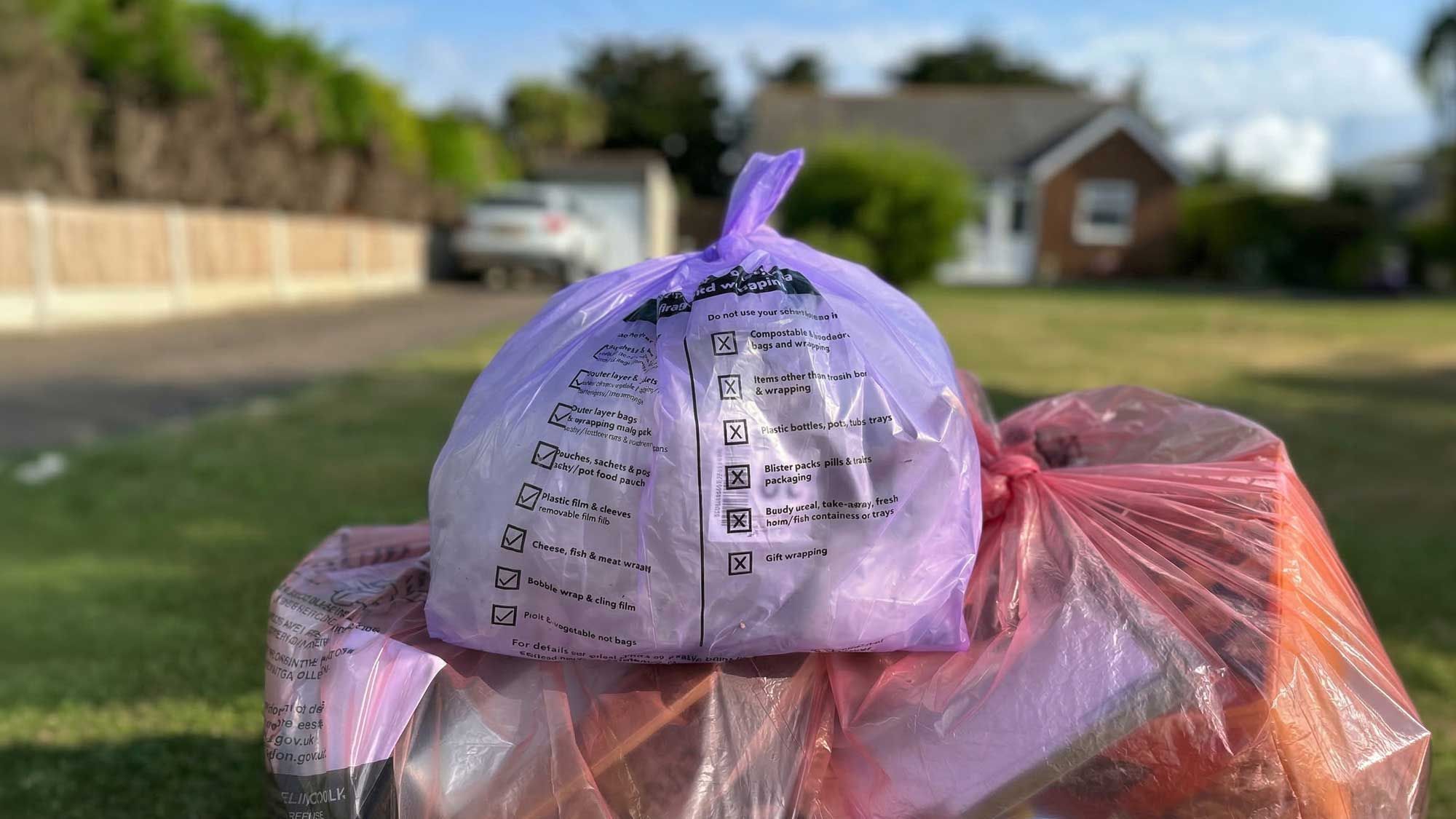
The Flexible Plastic Fund (FPF) has launched a research programme to determine how much investment the UK needs to recycle up to 400,000 tonnes of post-consumer flexible plastic packaging a year by 2030, with a focus on returning food-contact film to food-contact use.
FlexCircular follows the Fund's FlexCollect project, which ran kerbside trials across ten local authorities to test how they can recycle bread bags, crisp packets and other films at the doorstep. Where FlexCollect examined collection methods, FlexCircular looks to examine what happens to the material afterwards. The new programme is a collaboration with Defra, PackUK, the Welsh Government and Zero Waste Scotland, with a project team of Suez, CEFLEX, WRAP (the Waste and Resources Action Programme) and RECOUP, with the aim of reporting its findings towards the end of this year.
Gareth Morton, Discovery Manager at Ecosurety and FPF lead, commented: "We're delighted to build on the success of the FPF FlexCollect project and continue to work alongside experts in the industry to take flexible plastics recycling to the next level.
"FPF FlexCircular is about turning the proof of collections into a real, investable circular system. By understanding what the UK needs in terms of investment, infrastructure and policy, we can maximise the opportunity to recycle flexible plastics at scale, creating benefits for industry, consumers, and the environment alike."
The timing of this reflects the requirement of Simpler Recycling that local authorities in England must collect plastic film and flexible packaging alongside other dry recycling from 31 March 2027. All three devolved administrations have also set out aims to introduce household kerbside collections for flexible plastics by the same date, largely due to funding supported through the UK-wide Packaging Extended Producer Responsibility (pEPR) scheme, with each nation enforcing this deadline through its own specific legislative and operational frameworks to match their existing recycling systems.
The FlexCollect report, published last September, estimates that nationwide collection could yield more than 150,000 tonnes of flexible plastic a year, against current UK reprocessing capacity of roughly 25,000 to 50,000 tonnes, with anticipated collection tonnages rising in successive years. It identified the gap in domestic infrastructure and called for investment to close it, paving the way for this next phase of research.
The FlexCircular programme aims to establish how much recycled flexible plastic industry will need from 2030 onwards and how well matched supply and demand will be. In addition, it will explore what mix of mechanical, chemical or emerging recycling capacity the UK requires, and at what scale, as well as what level of investment it will take.
As part of the research it will look at the costs and risks of continuing with virgin plastic, which has historically dictated the fate of plastic reprocessing facilities. It will also assess what combination of policies and incentives might align the value chain to support domestic reprocessing.
Richard Akkermans, R&D Packaging Sustainability Manager, Europe for Mondelez International and an FPF spokesperson, said matching infrastructure to collection was now the priority. "The FlexCircular project represents a pivotal moment for flexible packaging in the UK. We've proven that collection at scale is possible - the next opportunity is to close the loop by investing in the recycling infrastructure to match. For the Flexible Plastic Fund, achieving circularity for food-contact flexible plastics isn't just an ambition, it's a necessity. This research aims to provide the roadmap the value chain needs to invest in the UK with confidence and deliver positive environmental outcomes for the future."
The Flexible Plastic Fund was established in 2021 and is managed by the compliance scheme Ecosurety, with backing from brand owners including Mars UK, Mondelez International, Nestle, PepsiCo and Unilever.


Get our weekly digest
resource.co article ai

How will the government and DMOs address the challenges of including glass in DRS while ensuring a level playing field across the UK?
There's no easy solution to include glass in the DRS while maintaining a level playing field. Potential approaches include a phased introduction of glass, potentially with higher deposits to reflect its logistical challenges. The government and DMOs could incentivise innovation in glass packaging design and subsidise dedicated return points for glass-handling. Exemptions for smaller businesses unable to handle glass might also be necessary. Any successful solution will likely blend several approaches. It must address the differing priorities of devolved administrations, balance environmental benefits with logistical and cost implications, and be supported by robust consumer education campaigns emphasizing the importance of glass recycling.