

Multi-agency enforcement operation checks waste carriers and inspects permitted sites across Carlisle and Barrow in Furness, with several breaches identified.
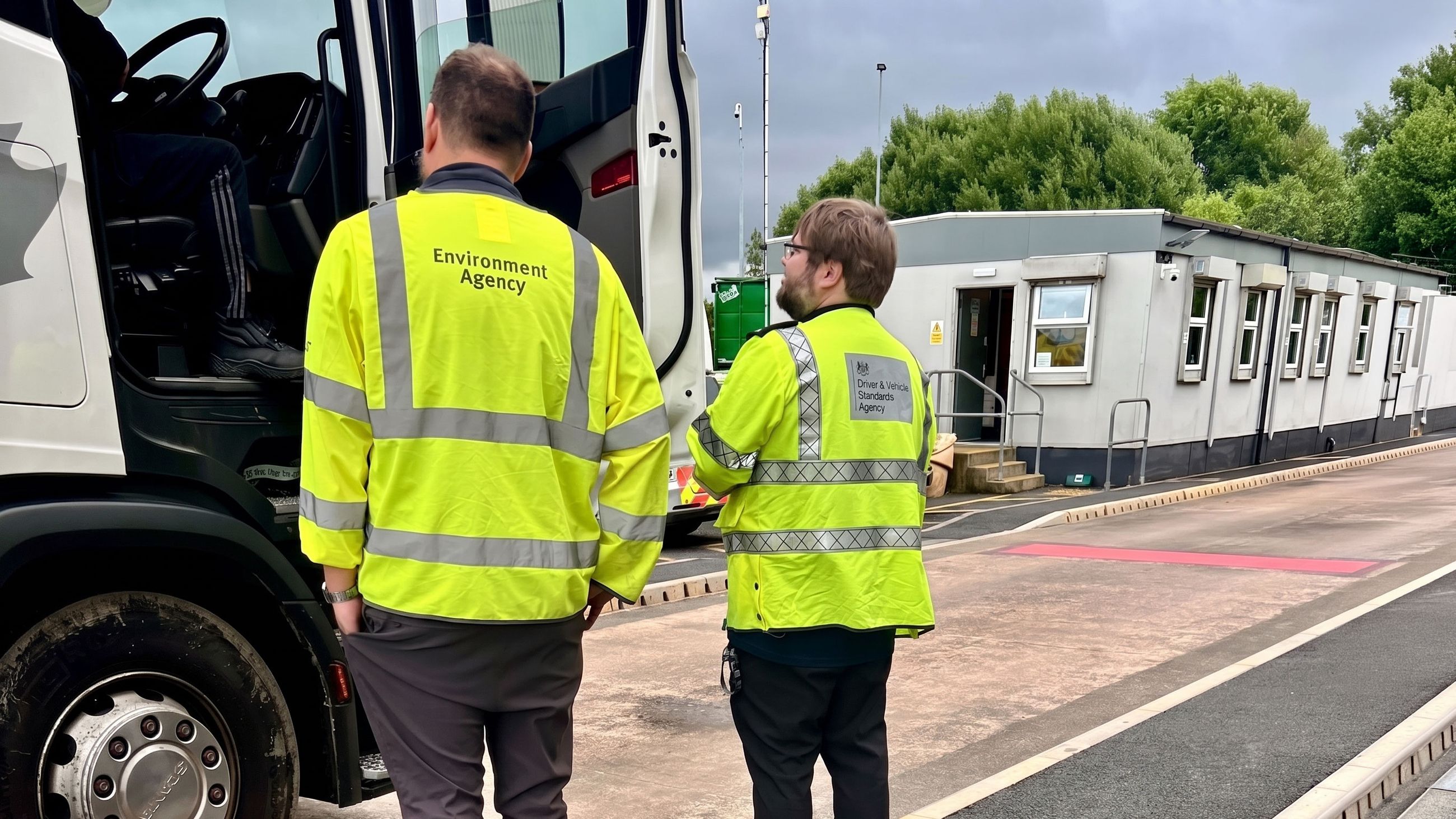
The Environment Agency identified several breaches of waste transport regulations during a two-day multi-agency enforcement operation in Cumbria on 6 and 7 July.
Traffic stops at Todhills in Carlisle, conducted with Cumberland Council and the Driver and Vehicle Standards Agency (DVSA), checked whether waste was being transported lawfully and whether carriers held the correct licences and paperwork. Several carriers were found to be operating without meeting legal requirements. The agency said it would investigate further and follow up intelligence with connected waste sites before taking enforcement action.
Officers also joined the Joint Unit for Waste Crime (JUWC) and the Scottish Environment Protection Agency (SEPA) to inspect three permitted waste sites, visiting North West Recycling Limited at Rockliffe Estate in Carlisle, and JJC Hire Limited and Sinkfall Recycling in Barrow in Furness. Inspections assessed whether the sites were meeting the conditions of their environmental permits; the agency said follow-up action would be taken where appropriate.
Cumbria borders Scotland, and both SEPA and the EA are members of the JUWC, a multi-agency taskforce formed in 2020 to address serious and organised waste crime. The unit now comprises 11 enforcement bodies and two industry partners, including the National Crime Agency, His Majesty's Revenue and Customs, and the National Fire Chiefs Council.
The operation forms part of the EA's 10 Point Plan to end waste crime, published in March and backed by £45 million in additional government funding over three years. Under the plan, the agency is scaling up multi-agency enforcement days, expanding its use of restriction notices that can shut down illegal operations immediately, and naming operators involved in illegal activity. Mandatory digital waste tracking is due to come into force in October 2026.
Around 700 known illegal waste sites remain across England, and industry estimates suggest as much as 20 per cent of waste is handled illegally at some point in the supply chain. In 2024/25 the JUWC led 37 operations resulting in 40 arrests, while the EA's Economic Crime Unit secured six account freezing orders worth £2.9 million and obtained 13 confiscation orders totalling £1.55 million.
Aaron Wood, an EA waste team leader in Cumbria and Lancashire, said: "Waste crime causes real harm to communities and together with other agencies we are determined to stop it. Joint partnership operations such as this help us disrupt operations across the waste sector and gather intelligence."
Legislation laid before parliament in May will replace the waste carrier registration system with a permit regime requiring identity and criminal record checks and demonstrated technical competence from 2027. Operators caught illegally transporting waste will face up to five years in prison - there are currently no custodial sentences for these offences.


Get our weekly digest
resource.co article ai

How will the government and DMOs address the challenges of including glass in DRS while ensuring a level playing field across the UK?
There's no easy solution to include glass in the DRS while maintaining a level playing field. Potential approaches include a phased introduction of glass, potentially with higher deposits to reflect its logistical challenges. The government and DMOs could incentivise innovation in glass packaging design and subsidise dedicated return points for glass-handling. Exemptions for smaller businesses unable to handle glass might also be necessary. Any successful solution will likely blend several approaches. It must address the differing priorities of devolved administrations, balance environmental benefits with logistical and cost implications, and be supported by robust consumer education campaigns emphasizing the importance of glass recycling.