

Legislation due this summer also raises the top littering fine to £750, after fly-tipping incidents across England rose 9 per cent to 1.26 million in 2024/25.
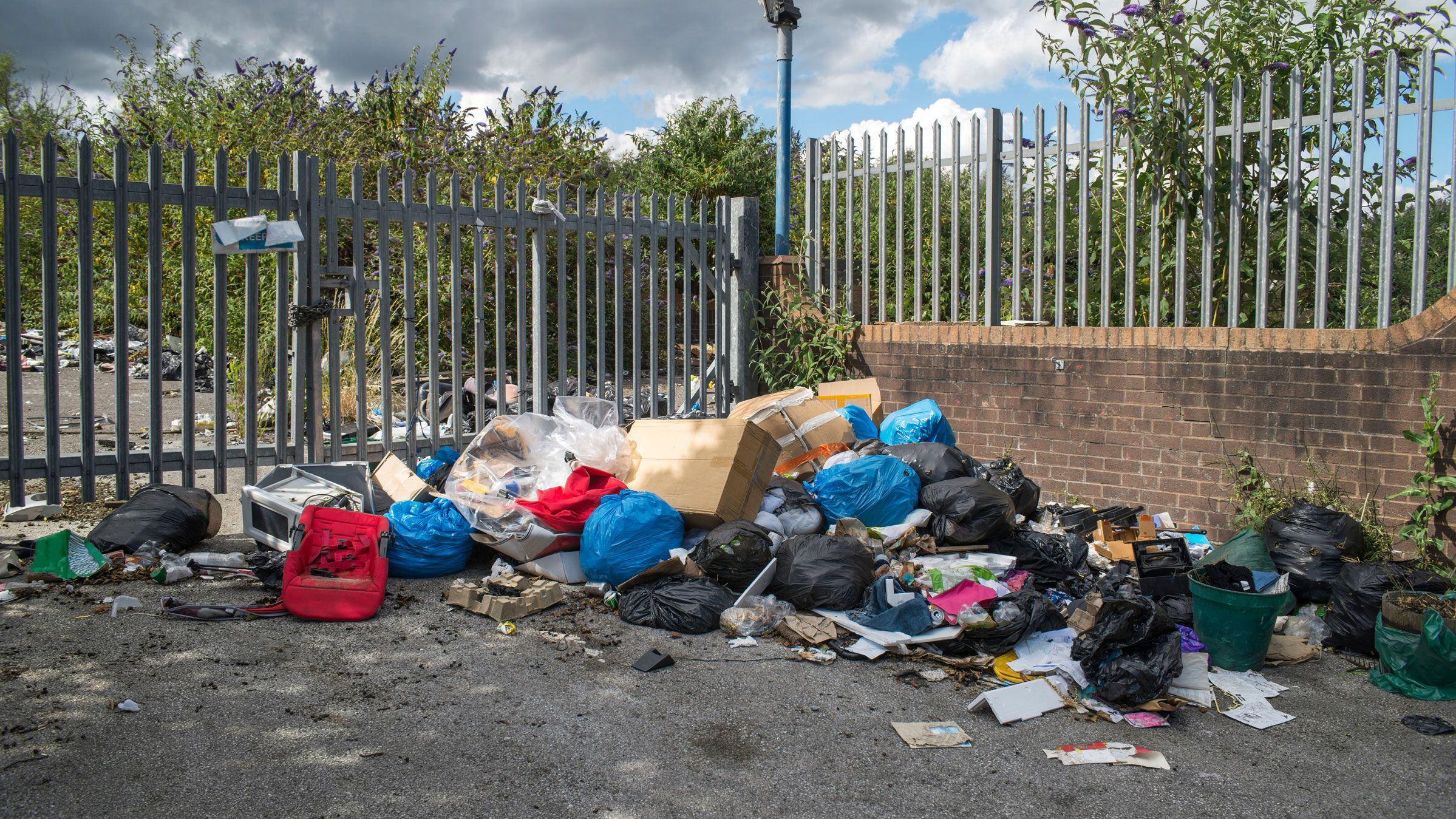
The maximum on-the-spot fine for fly-tipping in England will increase from £1,000 to £5,000 under legislation coming into force this summer, the Department for Environment, Food and Rural Affairs (Defra) has announced. The top fixed penalty for littering will also rise from £500 to £750.
Local authorities will retain full discretion over the level of fine within the new range, with penalties scaled to reflect the severity of the offence.
England recorded 1.26 million fly-tipping incidents in 2024/25, a 9 per cent increase on the previous year. Household waste accounted for 62 per cent of cases, and councils spent £19.3 million clearing incidents the size of a tipper lorry load or larger.
Enforcement gap
The average court fine for fly-tipping fell to £539 in 2024/25, £87 below the average £626 fixed penalty notice councils could issue for the same offence. The Local Government Association has called for an urgent sentencing review, citing cases where magistrates fined offenders less than the FPN they had refused to pay. In one Wiltshire case, a fly-tipper who did not pay a £1,000 fixed penalty was fined £80 in court.
"Fly-tipping and littering is a disgrace that blights local communities," said Emma Reynolds, environment secretary. "Criminals who break the rules will face heftier fines to clean up the mess they make."
Fixed penalty notices are the main enforcement tool against fly-tippers, with 69,000 issued in 2024/25, up 9 per cent. But only 1,250 court fines were handed down across England during the same period, a 9 per cent drop, and their total value fell 8 per cent to £673,000.
Waste crime costs the English economy an estimated £1 billion a year, according to Environment Agency assessments. The fine increase is the latest measure under the Waste Crime Action Plan published in March 2026. Defra launched a digital waste tracking service in April, mandatory for around 12,000 permitted waste receiving sites from October. Courts gained new powers to impose penalty points on the driving licences of convicted fly-tippers, and background checks for waste carriers will replace the existing registration system with a permit regime from 2027.
Between July 2024 and the end of 2025, the Environment Agency shut down 1,205 illegal waste sites, supported by an enforcement budget that has increased by more than 50 per cent to £15.6 million. New vehicle seizure guidance gives local authorities instructions on identifying and seizing vehicles involved in fly-tipping.


Get our weekly digest
resource.co article ai

How will the government and DMOs address the challenges of including glass in DRS while ensuring a level playing field across the UK?
There's no easy solution to include glass in the DRS while maintaining a level playing field. Potential approaches include a phased introduction of glass, potentially with higher deposits to reflect its logistical challenges. The government and DMOs could incentivise innovation in glass packaging design and subsidise dedicated return points for glass-handling. Exemptions for smaller businesses unable to handle glass might also be necessary. Any successful solution will likely blend several approaches. It must address the differing priorities of devolved administrations, balance environmental benefits with logistical and cost implications, and be supported by robust consumer education campaigns emphasizing the importance of glass recycling.