

Reprocessing gap projected to reach 260,000 tonnes a year by 2040 puts pressure on government and Exchange for Change to act before the deposit return scheme launches in October 2027.
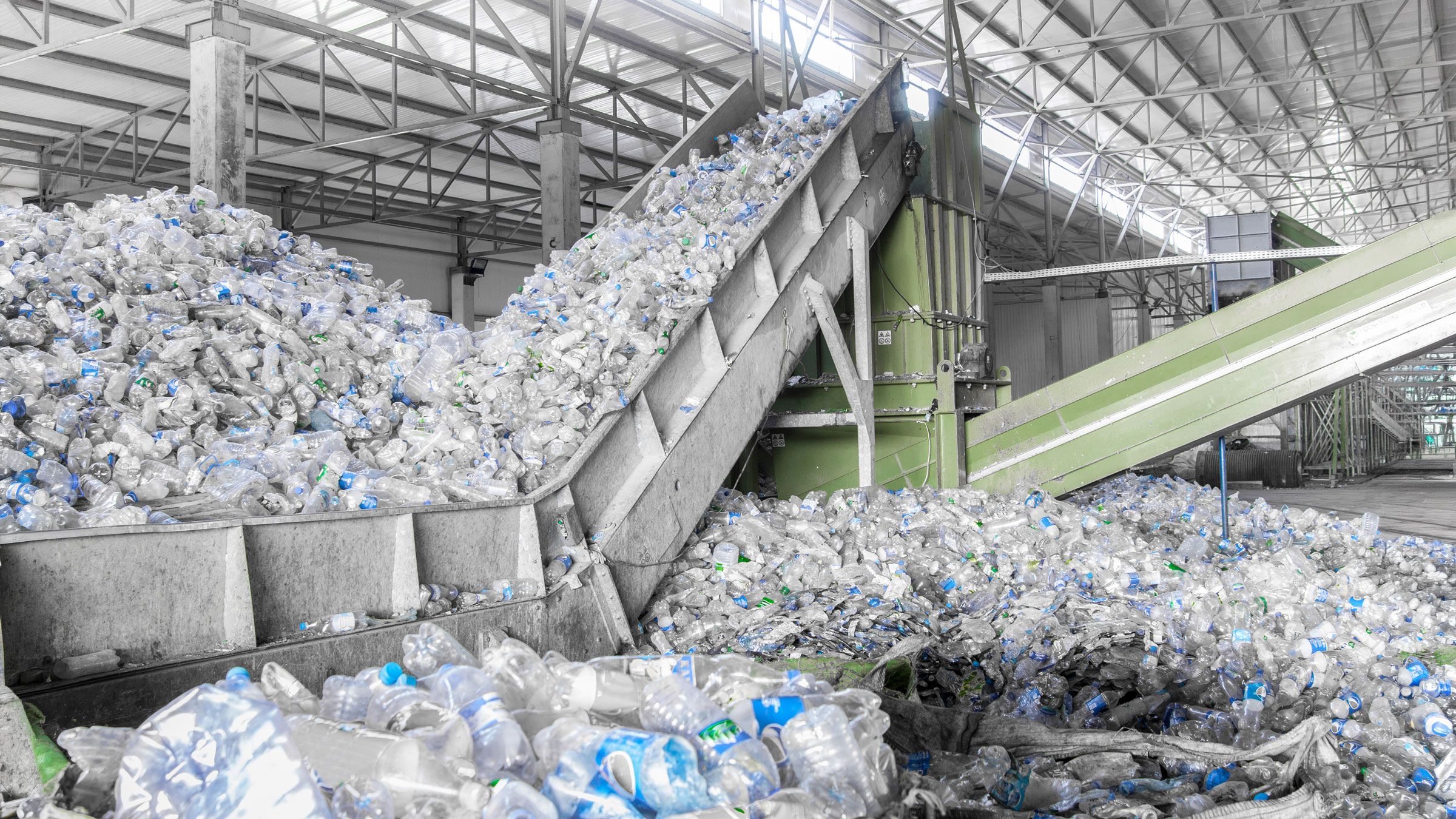
The UK will need more than £750 million of investment in around 15 new PET recycling plants to process all the plastic bottles collected through the deposit return scheme, according to new analysis that warns the material will otherwise be lost to export.
The analysis, published by Enviroo, estimates that by 2030 the DRS could collect up to 274,000 tonnes of PET beverage bottles a year, rising to 380,000 tonnes by 2040. UK food grade rPET pelletisation capacity currently stands at around 85,000 tonnes a year and is expected to reach approximately 120,000 tonnes by 2030 - leaving a shortfall of 154,000 tonnes that widens to 260,000 tonnes by the end of the next decade.
Enviroo uses its own £60 million facility under construction at Peel NRE's Protos Plastic Park near Ellesmere Port as a cost and output benchmark. At full capacity, the plant is expected to produce 18,000 tonnes of food grade rPET pellet a year.
The DRS will create a stream of high-purity, source-separated PET feedstock worth approximately 40 per cent more than contaminated kerbside bales. But without a coordinated policy framework, the analysis argues, the material will simply be exported.
The economics are already difficult. In 2025, low oil prices pushed virgin PET down to around £855 a tonne while food grade rPET stood at approximately £1,540 - a £685 spread that compresses margins for domestic reprocessors. Viridor closed its Avonmouth mechanical PET recycling plant in late 2024, citing persistently challenging market conditions, removing an estimated 18,000 tonnes of annual pelletisation capacity from the UK system.
David Drew, circular economy specialist at PwC, said the DRS "is likely to be the most disruptive consumer initiative since COVID lockdowns," and that to deliver its full potential "it is essential that this step-change extends beyond collection alone, and supports the development of a more circular, UK-based value chain for the recovered materials."
The analysis calls for tighter standards on what happens to collected bottles after they leave the DRS system - including a formal bale quality specification capping non-PET contamination at 2 per cent, with full traceability back to source. It also recommends long-term processing contracts between the scheme and UK reprocessors, arguing that without guaranteed volumes the investment case for new plants will not stand up.
For government, the measures advocate including mandatory recycled content targets for PET bottles from 2027 and reform of the Packaging Recovery Note system. The analysis argues that the current PRN system structurally favours export: exporters can claim recovery notes on the gross weight of bales shipped abroad, while domestic reprocessors can only claim on the net weight of material they actually process - making it cheaper for producers to meet their obligations through export.
The analysis also recommends designating plastics reprocessing as Critical National Infrastructure and banning the export of DRS-collected PET bottles.
Andrew Dean, partner at Bird & Bird, said the DRS "is also a significant industrial opportunity. By creating reliable supplies of high-quality recycled material, the UK can attract investment in domestic reprocessing, create skilled jobs, and capture more of the economic and social value of recycling here at home."
Full domestic processing of DRS-collected PET by 2040 would save an estimated 950,000 tonnes of CO2 a year, based on each tonne of rPET displacing approximately 2.5 tonnes of CO2 equivalent compared with virgin production.
The findings were presented at an event at the Palace of Westminster, where panellists included Wera Hobhouse MP, vice chair of the All Party Parliamentary Group on the Environment, alongside representatives from PwC, Bird & Bird, Coca-Cola Europacific Partners and Re-turn, the Irish deposit management organisation.
Ahmed Detta, Enviroo's chief executive, said the measures identified in the analysis "could unlock significant private investment to fund the new reprocessing infrastructure that the DRS feedstock stream makes economically viable, but that current policy does not provide the confidence to commit. The optimal time to make these decisions is now - each week of delay narrows the window before October 2027."


Get our weekly digest
resource.co article ai

How will the government and DMOs address the challenges of including glass in DRS while ensuring a level playing field across the UK?
There's no easy solution to include glass in the DRS while maintaining a level playing field. Potential approaches include a phased introduction of glass, potentially with higher deposits to reflect its logistical challenges. The government and DMOs could incentivise innovation in glass packaging design and subsidise dedicated return points for glass-handling. Exemptions for smaller businesses unable to handle glass might also be necessary. Any successful solution will likely blend several approaches. It must address the differing priorities of devolved administrations, balance environmental benefits with logistical and cost implications, and be supported by robust consumer education campaigns emphasizing the importance of glass recycling.