

Near-unanimous advisory opinion argues EU waste and packaging law remains geared to technical recycling, creating unintended barriers for materials designed to follow biological circularity pathways.
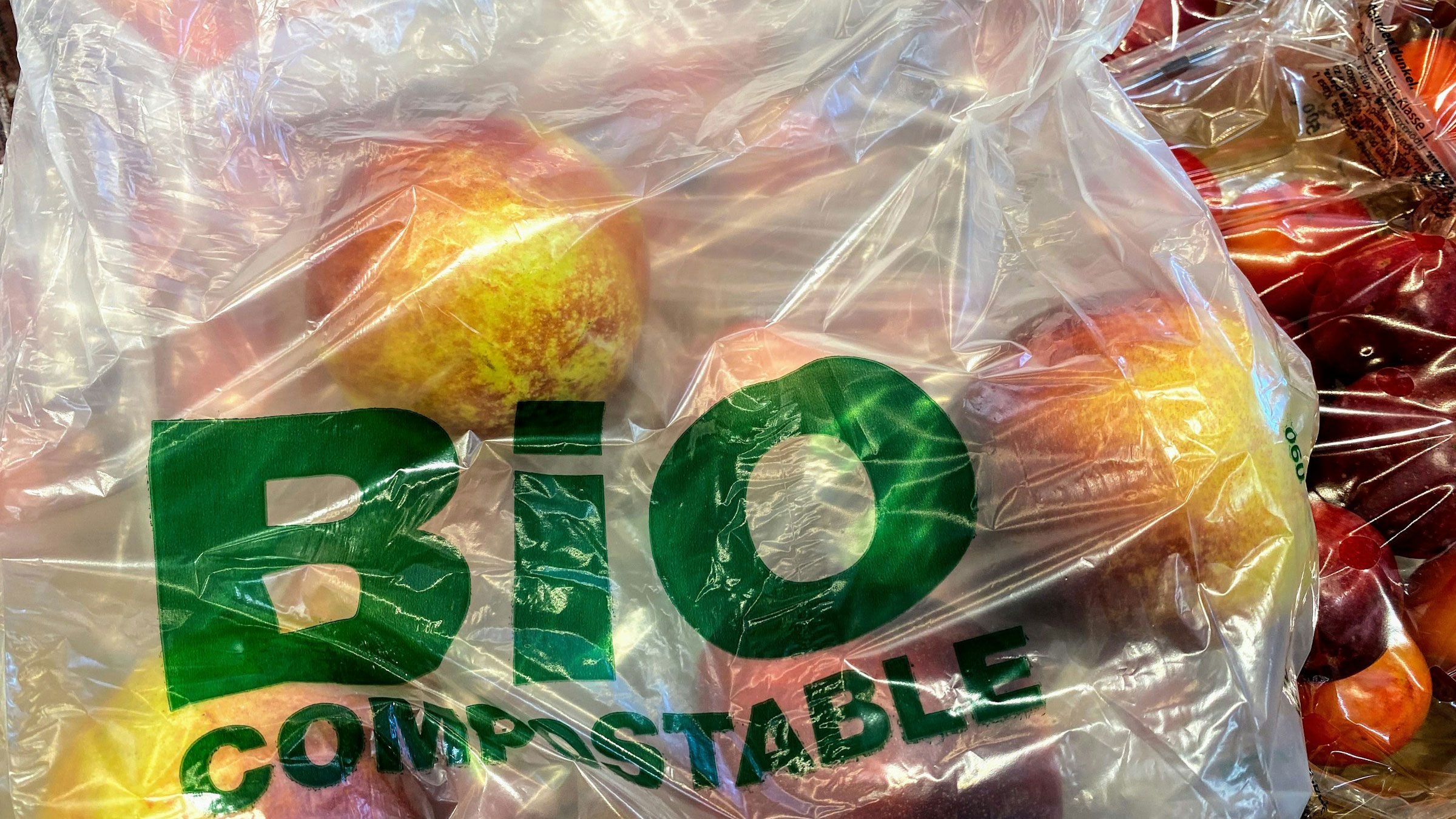
Packaging made from chemically unmodified natural polymers faces de facto exclusion from the EU single market unless regulators formally recognise biological end-of-life pathways alongside mechanical recycling, according to an opinion adopted by the European Economic and Social Committee (EESC), through a 211-0 vote, with three abstentions.
The opinion, published in the Official Journal on 22 July, addresses the regulatory gap, which the EESC argues has been widening since the Packaging and Packaging Waste Regulation entered force. Natural polymers are already excluded from the definition of plastic under the Single-Use Plastics Directive and the microplastics restriction under REACH, yet the PPWR's material categorisation framework does not explicitly address them. Recyclability requirements that allow only technical recycling pathways could, the Committee warns, bar natural polymer packaging from the market by the time the 2035 targets apply.
“Europe has a real chance to lead the way in building a truly circular and sustainable economy and move away from fossil fuels,” said rapporteur Stoyan Tchoukanov. “We need clear, coherent and enabling regulatory frameworks that actively support sustainable solutions.”
At issue is the distinction between chemically modified bio-based plastics - PLA, starch blends, PHA produced through industrial fermentation - and chemically non-modified natural polymers such as cellulose, where the polymer's chemical structure remains unchanged from its form in nature. EU law already treats the two categories differently in some instruments but not others, and the EESC argues this inconsistency is the core problem. A delegated act under Article 6(4) of the PPWR could establish fit-for-purpose recyclability criteria for packaging made from unmodified natural polymers, providing legal certainty for biological end-of-life pathways without requiring new primary legislation.
Biological circularity as a complement
The waste hierarchy, applied on the basis of lifecycle assessment and best overall environmental outcome, should determine which circularity pathway a given material follows, the Committee argues. For specific applications where reuse or high-quality mechanical recycling is impractical - small-format items such as sachets and confectionery wrappers, multilayer or contaminated packaging, and items poorly captured by sorting systems - biological end-of-life routes can deliver better environmental and economic outcomes.
Composting and organic recycling already constitute appropriate pathways for well-defined applications, the opinion states, and lifecycle assessment methodologies should evaluate technical and biological routes on equal terms. Nature-based biodegradable materials from chemically unmodified natural polymers are inherently biodegradable and suitable for home composting. They degrade under natural conditions without leaving persistent residues.
Where mature sorting and mechanical recycling systems exist, the EESC accepts they should remain the default. But in rural areas or regions with limited waste management capacity, biological end-of-life solutions may prove more practical and environmentally sound. Clear labelling and disposal guidance are essential in either case, the opinion adds, given the diversity and complexity of household waste systems across Member States.
Agricultural residues and rural value chains
Nature-based biodegradable materials also offer a route to valorising agricultural, forestry and fishery residues. Of approximately 390 million tonnes of theoretical agricultural residue generated annually in the EU, around 107 million tonnes - roughly 27 per cent of the total - can be sustainably mobilised for bioeconomic uses after accounting for soil protection, animal feed and competing demands. The figures are drawn from an assessment of agroforestry residue potentials published in the Journal of Cleaner Production.
Material use should focus on organic waste, by-products and second-generation raw materials to avoid competition with food and feed production, the Committee stresses. When integrated into local and regional bio-based value chains, these materials can strengthen links between primary production and industry and support SMEs in rural and coastal regions.
Broader bioeconomy strategy
A companion EESC opinion also published yesterday (22 July) responds to the European Commission's proposed Strategic Framework for a Competitive and Sustainable EU Bioeconomy, adopted as COM(2025) 960 in November 2025. That opinion, which passed 214 to zero with six abstentions, broadly supports the strategy but pushes back on its claim that the EU is 90 per cent self-sufficient in biomass, citing evidence of significant trade deficits in individual sectors including high-protein animal feed, where import dependence reaches around two-thirds.
The bioeconomy opinion calls for the cascading principle - prioritising food use, then material recovery, with energy recovery as a last resort - to be reinforced as a core governance principle, and for public procurement to mandate non-price criteria including bio-based content, reuse and repair. It argues that the forthcoming Circular Economy Act and Biotech Act II should both incorporate bioeconomy considerations, and that financial support through the Circular Bio-based Europe Joint Undertaking and the European Investment Bank should be strengthened.
Both opinions are advisory. The Commission, Council and Parliament must receive them but are not bound to follow them. As expressions of organised civil society consensus - employers, trade unions, farmers, consumer groups and environmental organisations - they carry political weight in proportion to their margins. Neither recorded a vote against.


Get our weekly digest
resource.co article ai

How will the government and DMOs address the challenges of including glass in DRS while ensuring a level playing field across the UK?
There's no easy solution to include glass in the DRS while maintaining a level playing field. Potential approaches include a phased introduction of glass, potentially with higher deposits to reflect its logistical challenges. The government and DMOs could incentivise innovation in glass packaging design and subsidise dedicated return points for glass-handling. Exemptions for smaller businesses unable to handle glass might also be necessary. Any successful solution will likely blend several approaches. It must address the differing priorities of devolved administrations, balance environmental benefits with logistical and cost implications, and be supported by robust consumer education campaigns emphasizing the importance of glass recycling.