

Departure ends a two-year tenure overseeing waste and circular economy policy, with the Circular Economy Growth Plan still unpublished and its future uncertain under new Defra leadership.
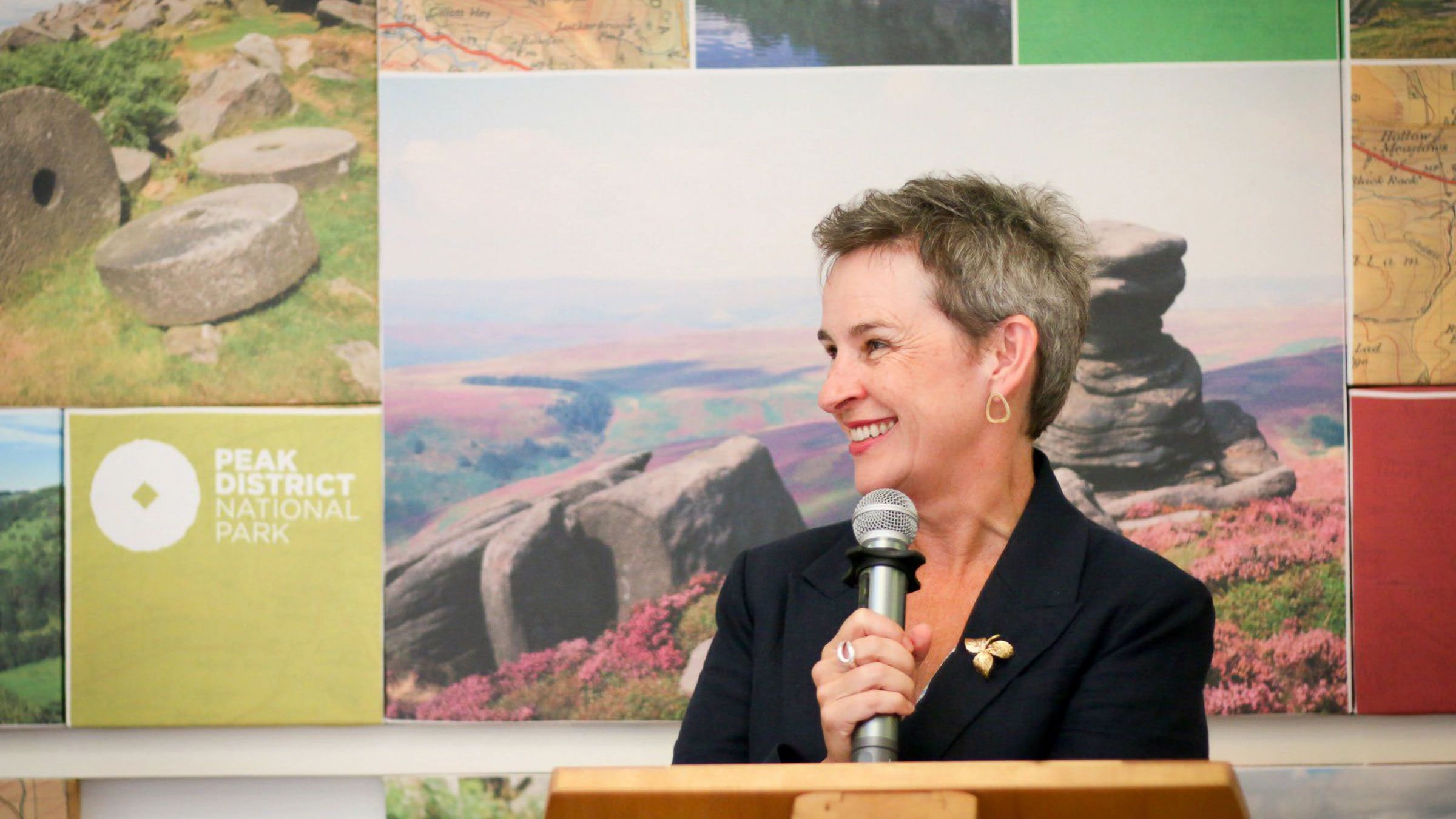
Mary Creagh has announced her departure from the Department for Environment, Food and Rural Affairs, ending a two-year tenure as the UK’s first Parliamentary Under-Secretary of State for Nature and leaving the circular economy and waste brief without a named minister.
“Very sorry to be leaving government, but that’s politics. I will be supporting our new prime minister from the back benches,” Creagh said in a statement posted on social media last night (22 July). “From releasing beavers, three new national forests, progress on circular economy, food waste, and fly tippers, I’m grateful to have served.”
Creagh was appointed to the newly created role in July 2024 under then-Environment Secretary Steve Reed, and retained the position when Emma Reynolds took over the department in September 2025. Before entering government she chaired the Environmental Audit Committee from 2016 to 2019, and was voted number one in the Resource Hot 100 in 2016.
Packaging extended producer responsibility regulations were passed during her first six months in office. She also confirmed the exclusion of glass from England and Northern Ireland’s deposit return scheme, maintaining the position inherited from the previous Conservative government.
Creagh led the establishment of the Circular Economy Taskforce in December 2024, which developed sector-specific roadmaps covering chemicals and plastics, construction, textiles, transport and agri-food. Reynolds praised her in November 2025 for having “grasped this so energetically.” Yet England’s Circular Economy Growth Plan has been delayed repeatedly, most recently from autumn 2025 to early 2026, and remains unpublished. In May 2026, a 19-organisation coalition including CIWM and Suez urged the then-Prime Minister to release the plan, citing research projecting a £25 billion boost to the UK economy.
The Chartered Institution of Wastes Management thanked Creagh for her work but urged the new administration to publish the Growth Plan “soon” to provide policy clarity for businesses and local authorities.
Defra changes under Burnham
Dame Angela Eagle was appointed Secretary of State for Environment, Food and Rural Affairs on 20 July as part of Prime Minister Andy Burnham’s first cabinet, becoming the department’s tenth secretary of state in a decade. Eagle previously served as Minister of State for Food Security and Rural Affairs at Defra between September 2025 and June 2026.
In a statement issued by Defra on behalf of Eagle, the new Environment Secretary said: “It is an honour to be appointed Environment Secretary, and I am delighted to be back in the Department. I want to thank Emma Reynolds for everything she achieved and giving me strong foundations to work from.
“This government is focused on the things that matter most to the British public. I will be tackling the cost of living; fixing the water system to clean up our rivers, lakes and seas; backing our farmers in growing quality British produce; restoring nature so that we have pride in local communities; and delivering a renewed relationship with the EU to help keep food bills down.
“This is the change people voted for, and I intend to deliver it.”
Eagle’s stated priorities - cost of living, water, farming, nature restoration and EU relations - make no reference to circular economy, waste management or recycling, indicating that the sector is unlikely to be at the front of her thinking.
Stephen Morgan, the MP for Portsmouth South, confirmed his reappointment to Defra under the new administration. In a post on X on 22 July, reposted by the official Defra account, Morgan said he was “absolutely delighted to have been reappointed a Minister in Defra” and would work alongside Eagle “to grow a green economy and sustain thriving rural and coastal communities by supporting our world-leading food, farming and fishing industries.” Morgan was first appointed to Defra in June 2026 as Minister of State for Food Security and Rural Affairs.
At the time of writing, no replacement for Creagh’s nature and circular economy brief has been named. The Defra ministerial team comprises Eagle as Secretary of State, Emma Hardy, promoted within Defra to Minister of State (covering water and flooding), Lords Minister Baroness Sue Hayman, and parliamentary under-secretaries Morgan and Jenny Riddell-Carpenter, the MP for Suffolk Coastal.


Get our weekly digest
resource.co article ai

How will the government and DMOs address the challenges of including glass in DRS while ensuring a level playing field across the UK?
There's no easy solution to include glass in the DRS while maintaining a level playing field. Potential approaches include a phased introduction of glass, potentially with higher deposits to reflect its logistical challenges. The government and DMOs could incentivise innovation in glass packaging design and subsidise dedicated return points for glass-handling. Exemptions for smaller businesses unable to handle glass might also be necessary. Any successful solution will likely blend several approaches. It must address the differing priorities of devolved administrations, balance environmental benefits with logistical and cost implications, and be supported by robust consumer education campaigns emphasizing the importance of glass recycling.