

Mandatory collection of plastic films pushed back from April 2027 to 2030 as councils and industry warn domestic reprocessing infrastructure cannot yet absorb the material.
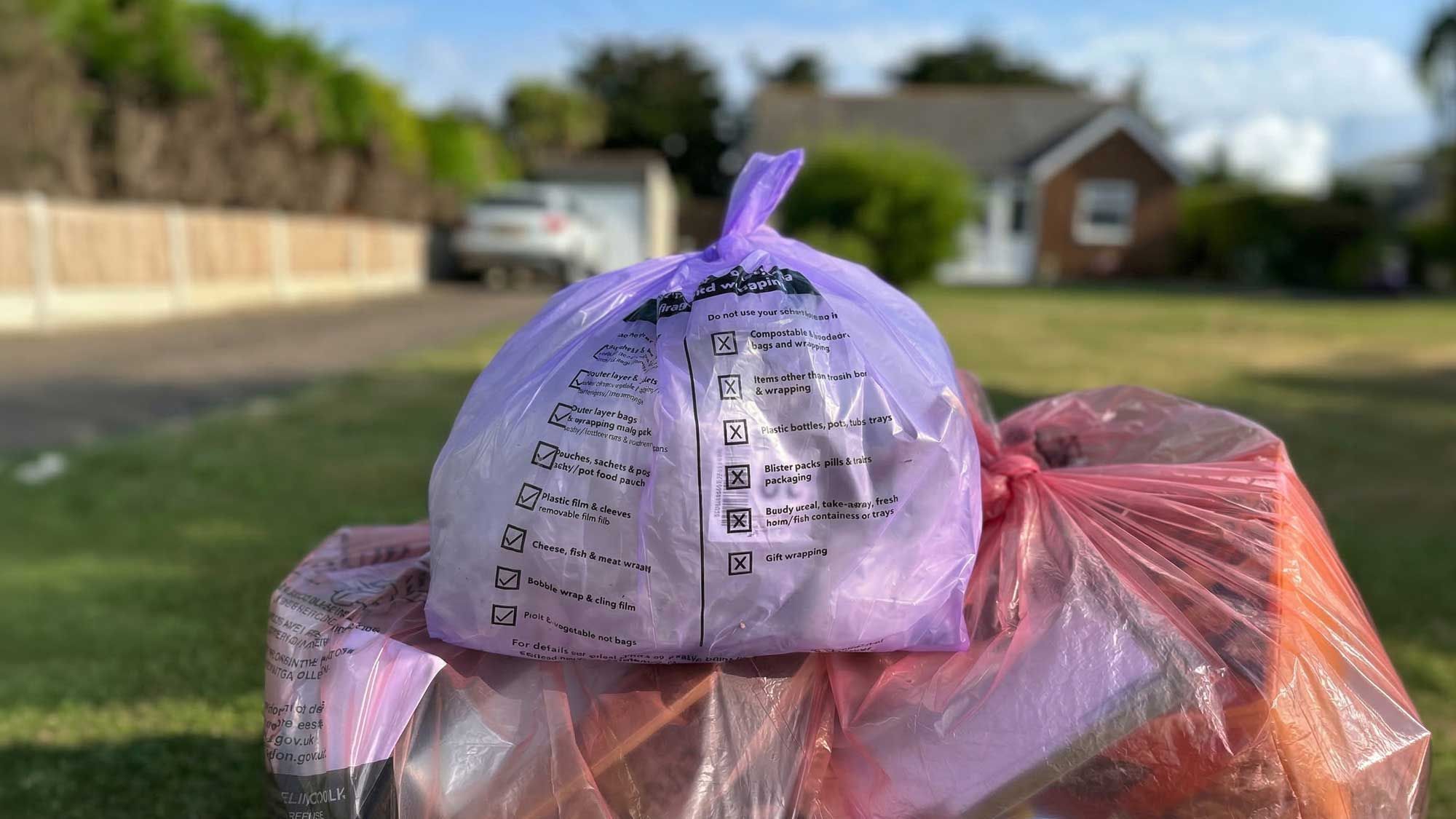
The UK government has deferred the mandatory collection of plastic films and flexible packaging by English local authorities from 31 March 2027 to 1 April 2030, citing a lack of viable end markets and insufficient domestic recycling capacity.
The three-year delay, confirmed in a letter to local authorities this week, means councils will not be required to collect flexibles at the kerbside until the start of the 2030-31 financial year. The government intends to legislate for the revised date in autumn 2026.
Flexible plastics were the final material stream scheduled for inclusion under the Simpler Recycling reforms, which came into force for all other recyclable materials on 31 March 2026. The original 2027 deadline was set in October 2023 as part of the government's response to the consistency in collections consultation, requiring all English councils to collect recyclable plastic film packaging and plastic bags from households at the kerbside.
A Defra spokesperson told Resource the government "remains fully committed to increasing recycling of plastic film and meeting its long-term recycling ambitions," adding that it would "work with local authorities to explore additional drop-off options at household waste recycling centres, so people can continue to recycle their plastic film" during the interim period.
When approached, the Welsh Government confirmed it has no plans to follow suit. "Our course of action on plastic film has not changed," a press spokesperson said. "We are working with councils and industry to roll out plastic film collections in 2027, building the systems needed to process flexible plastics, keep materials in use, and support green jobs." Wales, which ranks second globally for recycling, has long operated a separate recycling policy framework from England.
Capacity gap
The deferral follows sustained warnings from across the sector that domestic infrastructure is not ready to handle the volumes a national collection mandate would generate. UK reprocessing capacity for flexible plastics currently sits at between 25,000 and 50,000 tonnes a year, according to the FlexCollect final report published in September 2025. Projected collection volumes under the mandate were estimated at more than 150,000 tonnes by 2027, rising to 200,000 tonnes by 2030, with export markets potentially required to play a bridging role.
Some 895,000 tonnes of flexible plastic packaging - around 215 billion items - are placed on the UK market annually, according to University of Manchester research published in December 2025, with only seven per cent is currently recycled.
In a trend that will have influenced Government thinking the broader UK plastics reprocessing sector has also been contracting. The British Plastics Federation reported approximately 260,000 tonnes of annual recycling capacity lost since 2022, with closures including Biffa’s Washington plant in Sunderland, which was mothballed in June 2024 and formally shut in February 2025.
Industry reaction
Jacob Hayler, Executive Director of the Environmental Services Association (ESA), said the delay was “the correct decision given the lack of market capacity for these materials and demand-side drivers - issues that the ESA has raised repeatedly for years now.”
“It is essential that Government uses the next three years to create investor confidence; deliver domestic reprocessing capacity and ensure that sufficient end-market demand exists to allow these materials to be effectively returned to the circular economy,” he added.
The Local Authority Recycling Advisory Committee (LARAC), whose members had consistently raised concerns about the readiness of the wider system through the Defra Change Network sessions, also welcomed the decision. Chair Gareth Rollings said the additional three years “must now be used constructively by government and industry to build that infrastructure and provide local authorities with the clarity they need to plan.”
Stuart Hayward-Higham, Chief Technical Development and Innovation Officer at SUEZ UK, said the delay to mandatory business collections “makes good sense” but warned against any loss of momentum on household collections. “Any impact to the growing momentum we have seen behind household collections of flexibles and planned investments in that remaining missing infrastructure risks undermining confidence in the UK market and the pace of infrastructure development,” he said. Hayward-Higham also argued the delay “must be considered when deciding the timeline for the expansion of the Emissions Trading Scheme to include energy-from-waste,” given flexible plastics represent a major source of fossil carbon in residual waste.
David Gudgeon, Head of External Affairs at Reconomy, the international circular economy specialist, said the delay was “not entirely surprising” but “disappointing given that it was included in the original guidance published in 2024 and for businesses across the sector, including Reconomy, who have been investing to strengthen domestic infrastructure.” He said the decision “raises questions over whether Scotland and Wales will follow suit and whether we will see further policy divergence across the UK.”
Robbie Staniforth, Chief Policy and Impact Officer at compliance scheme Ecosurety, was more critical. “Further delaying mandated collections will not in itself create end-markets,” he said. “The markets have had four years of advanced warning and throughout that period investor confidence in flexible plastic recycling remained low. Today, that investor position has been justified.” Staniforth pointed to a pattern since the 2018 Resources and Waste Strategy where “bold ambitions outlined have not been followed up with quick enough action, causing almost all of the policies to be delayed or abandoned.”
Early adopters and next steps
A number of councils have already introduced flexible plastics collections. Ten local authorities participated in the FlexCollect pilot between 2022 and 2025, covering more than 160,000 households. Solihull Council launched a full kerbside service in March 2025, while Newcastle City Council has committed to continuing its pilot as a permanent service across all 140,000 households.
Only 16 per cent of UK local authorities currently tell residents they can recycle plastic films at kerbside, according to RECOUP data from April 2025.
A successor programme, FlexCircular, launched in June 2026 to research the investment needed to recycle up to 400,000 tonnes of post-consumer flexible packaging annually. The project, run by Suez, CEFLEX, WRAP and RECOUP, is expected to report by the end of this year.
Meanwhile, the Recyclability Assessment Methodology (RAM) update published on 1 July 2026 rates flexible plastics as “Red” - not recyclable at kerbside - creating what the BPF described as a contradictory policy signal for a material that remains scheduled for mandatory collection.


Get our weekly digest
resource.co article ai

How will the government and DMOs address the challenges of including glass in DRS while ensuring a level playing field across the UK?
There's no easy solution to include glass in the DRS while maintaining a level playing field. Potential approaches include a phased introduction of glass, potentially with higher deposits to reflect its logistical challenges. The government and DMOs could incentivise innovation in glass packaging design and subsidise dedicated return points for glass-handling. Exemptions for smaller businesses unable to handle glass might also be necessary. Any successful solution will likely blend several approaches. It must address the differing priorities of devolved administrations, balance environmental benefits with logistical and cost implications, and be supported by robust consumer education campaigns emphasizing the importance of glass recycling.