

Fleet of 21 electric recycling collection vehicles to be phased in across Neath Port Talbot from this summer, replacing diesel and partly charged by on-site solar.
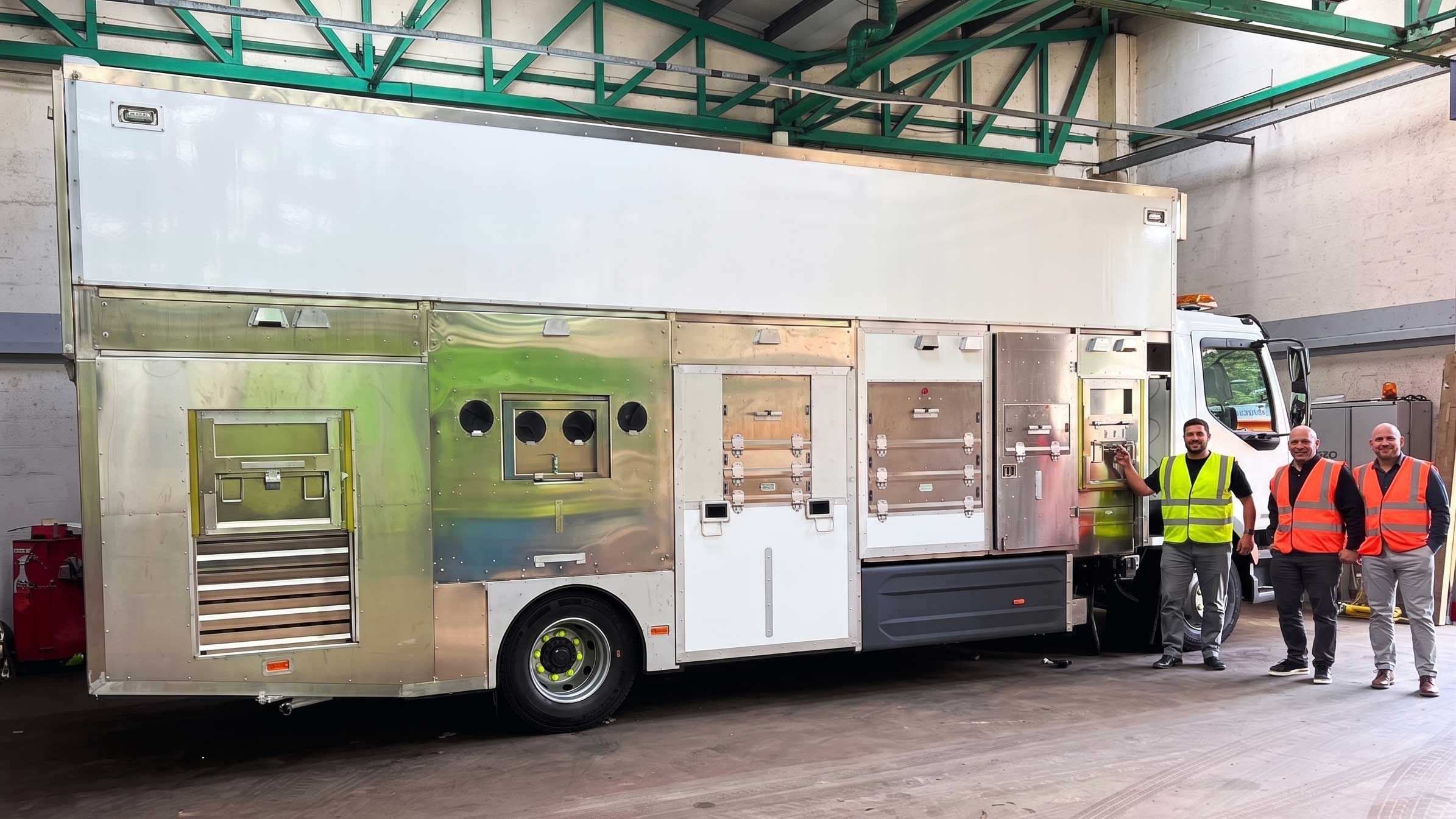
Neath Port Talbot Council is taking delivery of the first of 21 battery-electric recycling vehicles, in what the Welsh authority says is the UK's first complete transition to a fully electric recycling collection fleet.
The vehicles replace the council's existing diesel fleet and will be partly charged by on-site solar panels installed at the depot. A first batch of 10 is due later this summer, with the remainder arriving throughout the year.
Neath Port Talbot's recycling rate reached 71.4 per cent in 2024/25, the county borough's highest on record and above the Welsh Government's statutory 70 per cent target.
Each vehicle has a larger capacity than its diesel predecessor, which the council says is expected to help it maintain performance above the threshold. "Not only will these vehicles help improve air quality for residents, they'll also be cheaper to run which helps free up funds for spending on other services across the county," said Cllr Scott Jones, cabinet member for streetscene at Neath Port Talbot Council. "This move demonstrates we're continuing to back up our Climate Change emergency declaration with real action."
The fleet forms part of the council's Decarbonisation and Renewable Energy (DARE) strategy, which sets out its approach to reducing operational carbon emissions across the county borough.
Wales is also running its first comparative trial of hydrogen fuel cell and battery-electric refuse collection vehicles, funded by more than £420,000 from the Welsh Government. Cardiff Capital Region is coordinating the programme with Ricardo, Hyppo and two local authorities, with results intended to inform zero-emission fleet planning across Wales.
Refuse collection vehicles account for roughly a third of council fleets but around two thirds of fleet carbon emissions, according to Cardiff Capital Region. The City of London Corporation has operated a fully electric refuse fleet of five Dennis Eagle vehicles since 2021, and Westminster City Council invested £20 million in 45 electric waste trucks in 2023.


Get our weekly digest
resource.co article ai

How will the government and DMOs address the challenges of including glass in DRS while ensuring a level playing field across the UK?
There's no easy solution to include glass in the DRS while maintaining a level playing field. Potential approaches include a phased introduction of glass, potentially with higher deposits to reflect its logistical challenges. The government and DMOs could incentivise innovation in glass packaging design and subsidise dedicated return points for glass-handling. Exemptions for smaller businesses unable to handle glass might also be necessary. Any successful solution will likely blend several approaches. It must address the differing priorities of devolved administrations, balance environmental benefits with logistical and cost implications, and be supported by robust consumer education campaigns emphasizing the importance of glass recycling.