

Regulation covers a vehicle's whole lifecycle, setting binding recycled-plastic targets, design rules for dismantling and producer-funded recycling across the EU.
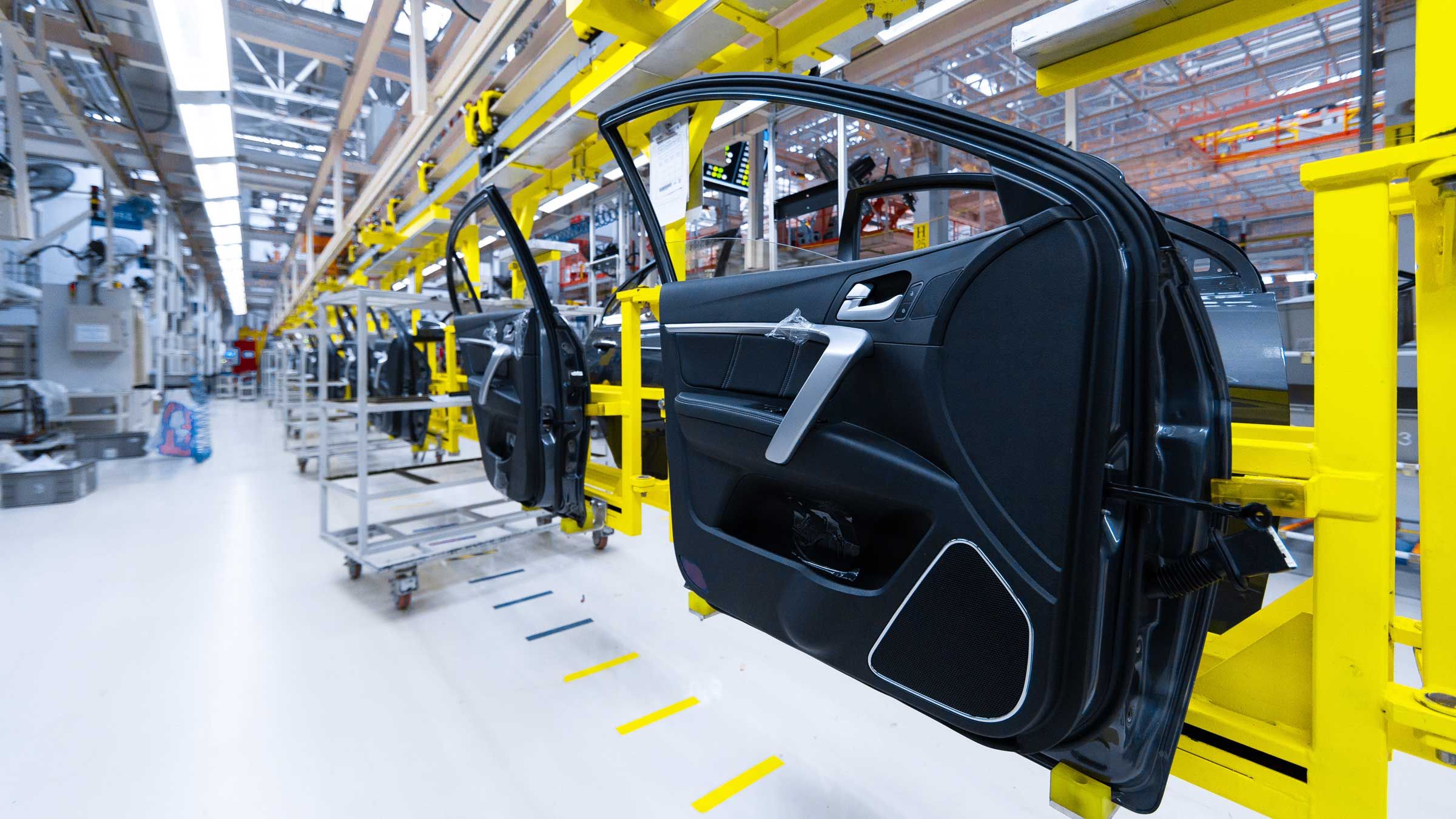
The European Parliament has approved new rules requiring recycled plastic in new vehicles and making manufacturers pay for end-of-life recycling, in a final vote that passed today (18 June). The regulation covers a vehicle's entire lifecycle, from design through to scrappage, and follows an agreement reached with the Council at the end of 2025.
Every year around 6.5 million vehicles reach the end of their lives across the EU, out of 285.6 million on the bloc's roads. The rules apply to vehicles placed on the EU market, which brings UK manufacturers exporting into the bloc within scope.
Plastics used in each new vehicle type will have to contain at least 15 per cent recycled material within six years, rising to 25 per cent within ten years. A fifth of this must come from end-of-life vehicles or used parts - a closed-loop requirement intended to pull material back into the same product stream rather than down into lower-value uses. The European Commission will be able to set further targets for recycled steel, aluminium, magnesium and critical raw materials once feasibility studies are complete.
All new vehicles will also have to be designed so that as many parts and components as possible can be removed easily, a condition aimed at the dismantlers and shredder operators who handle vehicles at the end of their lives.
Three years after the regulation enters into force, extended producer responsibility will apply to manufacturers, requiring them to cover the cost of collecting and treating end-of-life vehicles anywhere in the EU. The measure brings the automotive sector into line with the producer-pays principle already established for packaging, batteries and electrical goods.
The law also targets the problem of "missing vehicles", cars that disappear from official records rather than entering authorised treatment. Five years after entry into force, the export of vehicles declared non-roadworthy will be banned, closing a route through which end-of-life cars have left the EU for illegal dismantling elsewhere. When businesses sell a used vehicle within the bloc, they will need to show either an assessment that it is not an end-of-life vehicle or a valid roadworthiness certificate. Sales between private individuals will require one of those documents only where a vehicle is a total economic loss or the sale is concluded entirely through an online platform.
"We are taking important steps to boost the automotive sector's transition to a circular economy," said co-rapporteurs Jens Gieseke, of the Environment Committee, and Paulius Saudargas, of the Internal Market Committee. "To avoid overburdening the sector, the new rules will introduce realistic targets, less red tape and fairer competition."
The Commission proposed the regulation in July 2023, replacing the bloc's existing end-of-life vehicles regime with a single set of circularity requirements spanning design and waste treatment. The Council must now give formal approval before the regulation enters into force, with the rules applying 24 months later.


Get our weekly digest
resource.co article ai

How will the government and DMOs address the challenges of including glass in DRS while ensuring a level playing field across the UK?
There's no easy solution to include glass in the DRS while maintaining a level playing field. Potential approaches include a phased introduction of glass, potentially with higher deposits to reflect its logistical challenges. The government and DMOs could incentivise innovation in glass packaging design and subsidise dedicated return points for glass-handling. Exemptions for smaller businesses unable to handle glass might also be necessary. Any successful solution will likely blend several approaches. It must address the differing priorities of devolved administrations, balance environmental benefits with logistical and cost implications, and be supported by robust consumer education campaigns emphasizing the importance of glass recycling.