

Funding announced at the Our Ocean Conference in Mombasa backs flood protection, marine biodiversity credits and circular plastics work across more than 25 countries.
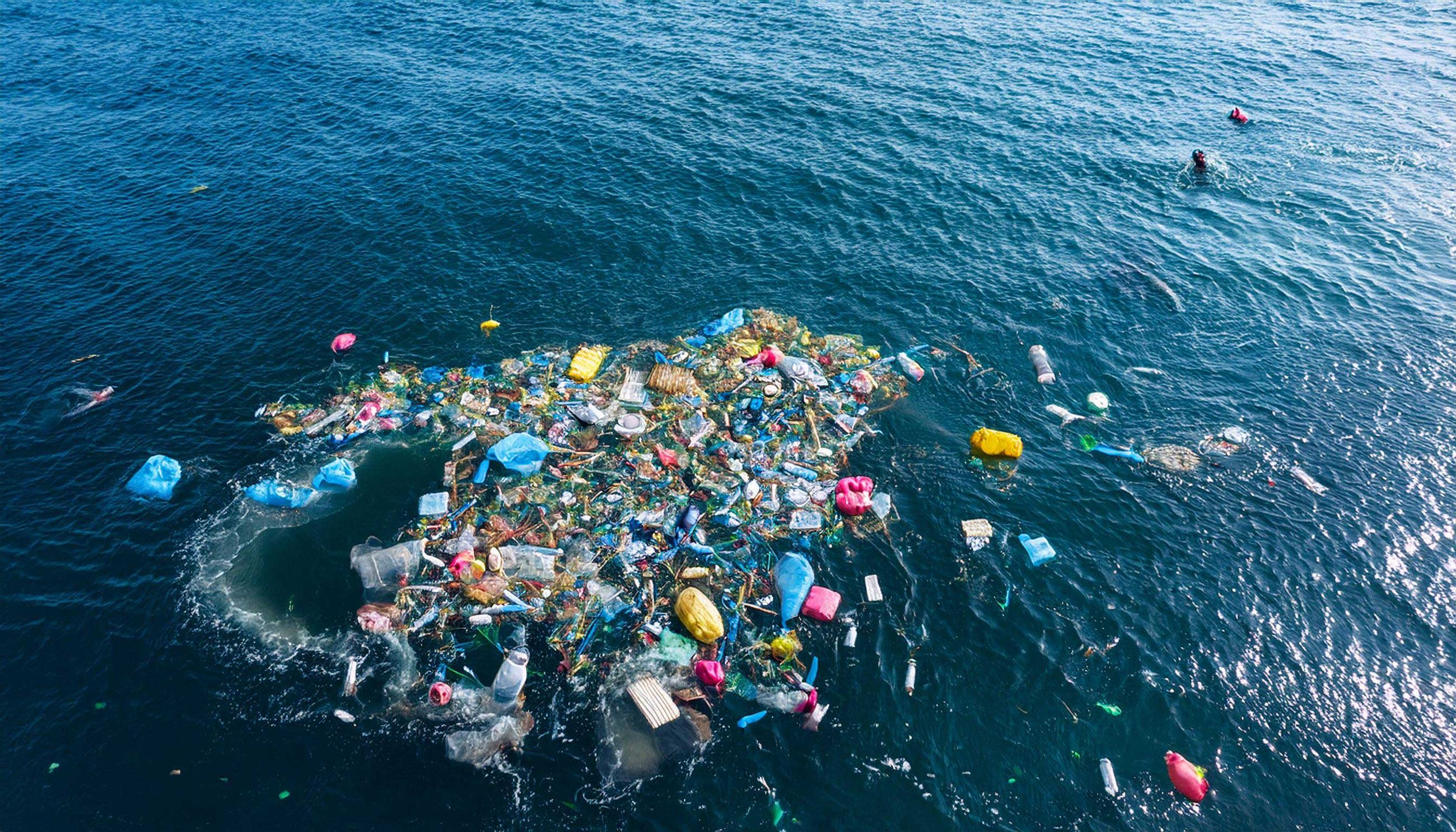
The UK is investing £13.9 million through its Blue Planet Fund in international programmes addressing ocean protection, coastal resilience and plastic pollution, Marine Minister Emma Hardy announced at the eleventh Our Ocean Conference in Mombasa, Kenya.
Three programmes will share the funding. PROBLUE, the World Bank’s blue economy multi-donor trust fund, is set to receive £6.7 million; the Ocean Risk and Resilience Action Alliance (ORRAA) will get up to £2.2 million; and the World Economic Forum’s Global Plastic Action Partnership (GPAP) has been allocated £5 million. The commitments bring UK investment in the three programmes to more than £86 million since 2021, channelled through the £500 million Blue Planet Fund, which marks its fifth anniversary this year.
GPAP coordinates 25 national partnerships that bring together governments, businesses and civil society to develop country-specific roadmaps for reducing plastic pollution and increasing investment in waste management infrastructure. Since 2018, the partnership claims to have mobilised more than $3.1 billion (around £2.4 billion) in waste management investment globally. A new National Plastic Action Partnership for Kenya was launched at the conference.
"At a pivotal moment for the global plastics treaty, this renewed commitment will help strengthen this network," said Clemence Schmid, director of GPAP at the World Economic Forum. "This includes NPAP Kenya, which we are proud to launch at the Our Ocean Conference this week."
Global plastics treaty negotiations have been stalled since successive rounds of talks failed to reach consensus in 2024 and 2025.
In São Tomé and Príncipe, one of the world’s smallest and most climate-exposed island nations, UK-backed funding through PROBLUE has reduced flood risk for more than 800 households. An estimated 20,730 people - around one in 10 of the population - have benefited from coastal resilience work, and each pound of UK grant funding has leveraged more than three in wider World Bank investment.
Off the Kenyan coast, ORRAA-supported work in Vanga Bay is developing one of the first marine biodiversity credit schemes in the global south. The project bundles carbon and biodiversity credits under the Plan Vivo standard, creating a revenue stream for coastal communities tied to the restoration of seagrass meadows.
"This funding reaffirms the UK’s position at the forefront of international ocean protection," said Hardy. "As climate pressures on our oceans intensify, investing in the resilience of coastal communities is not only the right thing to do, but essential."
Hardy also signed a high-level global commitment on protecting climate-resilient coral reefs on behalf of the UK and its overseas territories, calling on signatories to integrate reef protection into national plans and mobilise finance for coral conservation.
The announcements precede the first Conference of the Parties to the High Seas Treaty, which entered into force in January 2026, as well as CBD COP17 and UNFCCC COP31, both scheduled for later this year.


Get our weekly digest
resource.co article ai

How will the government and DMOs address the challenges of including glass in DRS while ensuring a level playing field across the UK?
There's no easy solution to include glass in the DRS while maintaining a level playing field. Potential approaches include a phased introduction of glass, potentially with higher deposits to reflect its logistical challenges. The government and DMOs could incentivise innovation in glass packaging design and subsidise dedicated return points for glass-handling. Exemptions for smaller businesses unable to handle glass might also be necessary. Any successful solution will likely blend several approaches. It must address the differing priorities of devolved administrations, balance environmental benefits with logistical and cost implications, and be supported by robust consumer education campaigns emphasizing the importance of glass recycling.