

Research covering four years of peer-reviewed evidence calls on the European Commission to apply the precautionary principle to the 12 million tonnes of incinerator bottom ash produced in Europe each year.
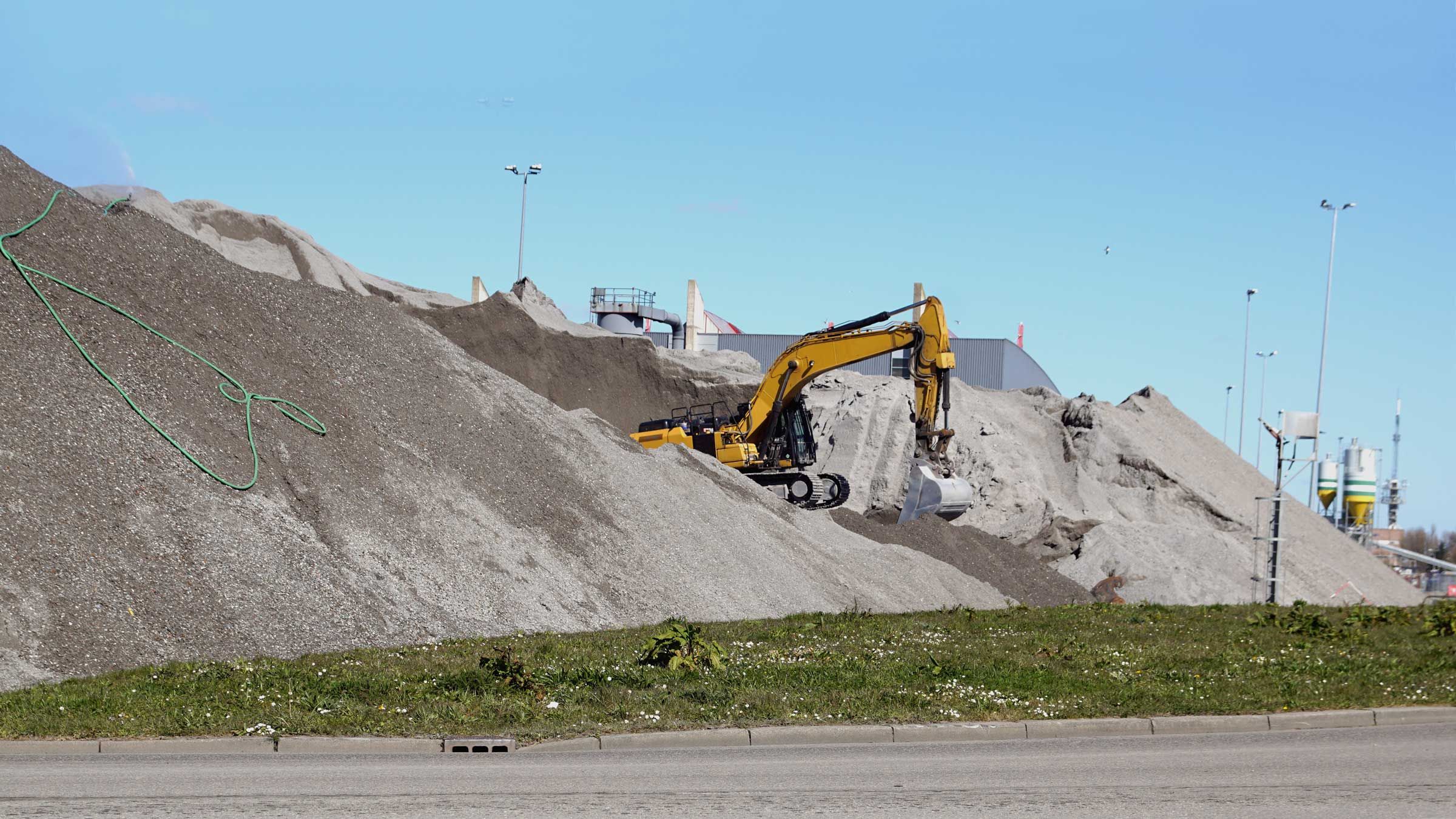
The EU's planned Circular Economy Act risks embedding hazardous waste in roads, buildings and public infrastructure unless strict safeguards are introduced, according to a report published today by Zero Waste Europe (ZWE), the European network of communities and experts working towards a zero-waste society.
The report, "A toxic legacy - Bottom ash in Europe's circular economy", finds that incinerator bottom ash (IBA) - the solid residue after burning waste - contains heavy metals, persistent organic pollutants (POPs), per- and polyfluoroalkyl substances (PFAS) and microplastics, all of which can leach into soil and water over time. Currently, European municipal waste incineration generates more than 12 million tonnes of IBA each year. Around half is landfilled, with the rest used in road construction, concrete, cement blocks and other civil engineering applications.
Written by Dr Andrew Neil Rollinson and drawing on peer-reviewed literature published between December 2021 and April 2026, the report updates an earlier ZWE study, "Toxic Fallout", published in 2022. It concludes that IBA is chemically unstable and continues to release contaminants over long timescales, that existing testing methods underestimate real-world environmental risks, and that current processing techniques cannot reliably remove hazardous substances. PFAS and microplastics remain largely unregulated in IBA applications.
The European Commission is preparing its Circular Economy Act, aimed at increasing the use of secondary raw materials and raising the block's circular material use rate to 24 per cent by 2030. The proposal is expected later this year, and the report's authors argue that without stronger safeguards, the legislation could widen the dispersal of toxic substances through the built environment.
"This is a major contradiction at the core of the EU's circular economy agenda," said Janek Vähk, Zero Pollution Policy Manager at ZWE. "We are increasing incineration capacity, generating hazardous residues, and then attempting to circulate those residues back into the economy through construction materials."
Regulatory gaps
Across Europe, the regulatory picture is inconsistent. The Netherlands, Denmark and the UK are among the most permissive countries for the use of IBA's mineral fraction, followed by Germany, France, Italy, Belgium, Poland and Spain - each operating under its own national guidelines. Austria, Ireland and many Eastern European states have a more conservative approach, with IBA use either zero or very limited. Switzerland classifies the remaining mineral fraction as hazardous waste and sends it to engineered landfill.
Regulation amounts to a "Wild West", the report argues, drawing on case studies from the UK and the Netherlands. In the UK, the main testing protocol for IBA classification is voluntary and was developed by the Environmental Services Association (ESA) with the support of the Environment Agency, with provisions that allow up to 21 per cent of samples to exceed hazardous class limits while the material is still classed as non-hazardous. A separate case study documents untreated wastewater run-off from outdoor IBA stockpiles.
At the centre of the report is an economic argument: the primary driver for using IBA in construction is the cost of disposal, not any environmental benefit. The mineral fraction of IBA carries a negative value for those in possession of it, so finding an outlet in construction is cheaper than paying for proper containment.
"If a material contains hazardous substances, it should not be used in roads, buildings or public spaces," Vähk said. "These residues should be properly contained, not dispersed throughout the environment. At present, controlled landfill remains the safest available option."
Among its recommendations, the report calls on the European Commission to apply the precautionary principle to incineration residues, establish harmonised EU-wide rules for IBA classification and testing, and ensure that PFAS, microplastics, heavy metals and POPs are fully addressed in legislation. It also argues against policies that increase incineration capacity, and for the inclusion of municipal waste incineration in the EU Emissions Trading System.
Its publication follows a joint statement signed by more than 40 organisations calling on Environment Commissioner Jessika Roswall to adopt a precautionary approach to incineration residues in the Circular Economy Act.




Get our weekly digest
resource.co article ai

How will the government and DMOs address the challenges of including glass in DRS while ensuring a level playing field across the UK?
There's no easy solution to include glass in the DRS while maintaining a level playing field. Potential approaches include a phased introduction of glass, potentially with higher deposits to reflect its logistical challenges. The government and DMOs could incentivise innovation in glass packaging design and subsidise dedicated return points for glass-handling. Exemptions for smaller businesses unable to handle glass might also be necessary. Any successful solution will likely blend several approaches. It must address the differing priorities of devolved administrations, balance environmental benefits with logistical and cost implications, and be supported by robust consumer education campaigns emphasizing the importance of glass recycling.