

Funding aims to reduce import reliance and build domestic capacity across the critical minerals value chain, from rare earth magnets to e-waste recovery.
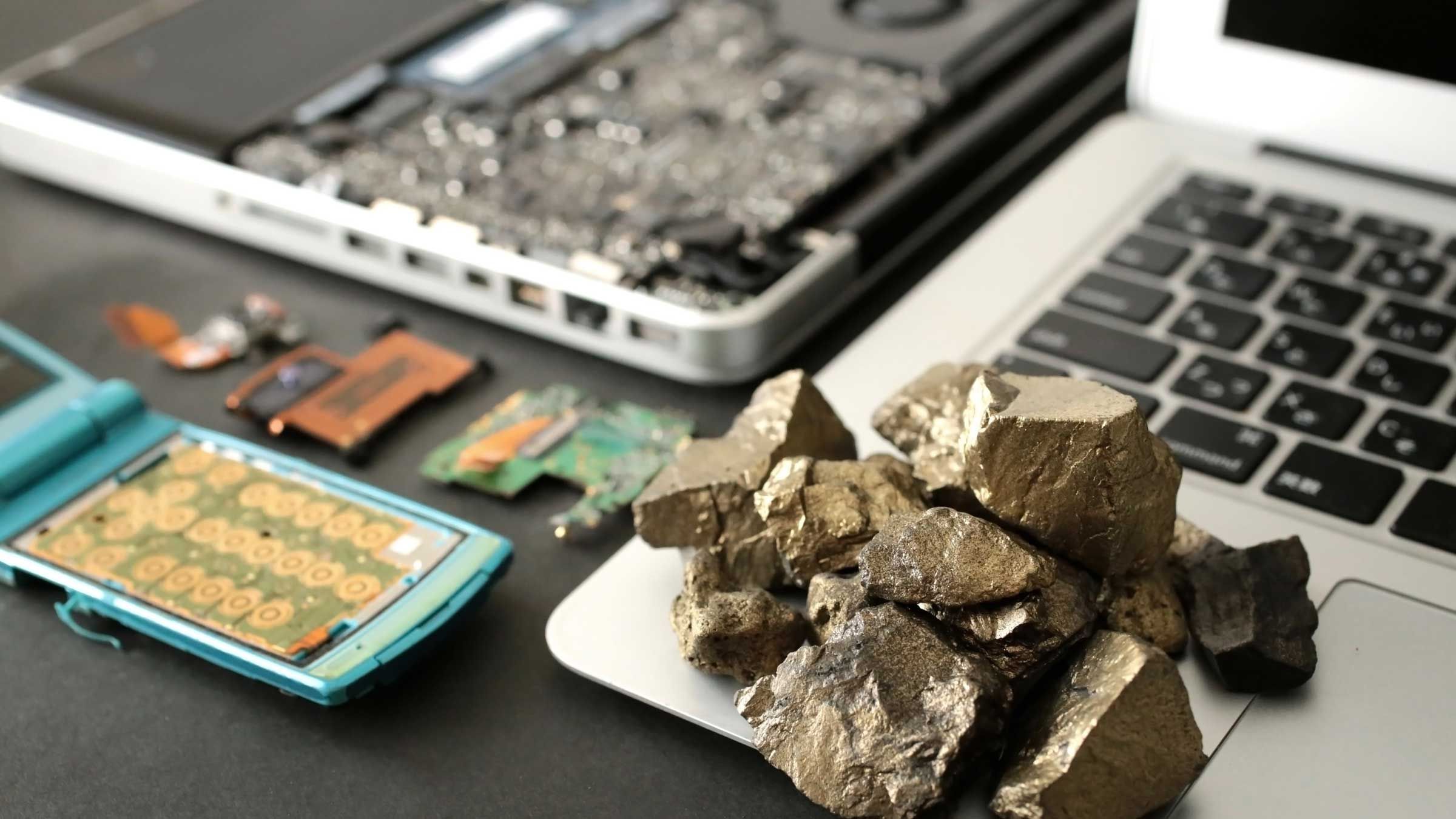
The UK Government has announced a £50 million commitment to domestic critical minerals projects through a three-pillar programme covering rare earth magnet manufacturing, extraction and recycling, and demand aggregation.
The programme announced by Industry Minister Chris McDonald at Teesside’s Wilton Centre earlier this week (22 June) has three funding streams. The largest, a £25 million Critical Minerals Accelerator, will support collaborative projects across extraction, processing and recycling.
A £20 million Magnet Hub will establish a national facility for developing and scaling rare earth magnet manufacturing, alongside skills and training programmes, while up to £5 million will go to a Demand Aggregation Platform to help UK industry consolidate its critical mineral requirements across sectors and secure supply through strategic partnerships.
The investment forms part of the Government’s Vision 2035: Critical Minerals Strategy, published in November 2025, which set targets for at least 10 per cent of annual UK demand to be met through domestic production and 20 per cent through recycling by 2035. Between now and that date, annual demand for copper is expected to almost double, while demand for lithium is projected to increase by 1,100 per cent.
McDonald visited DEScycle and Seloxium during the launch - two firms based in the Wilton Centre’s Technical Development Area that process and recycle critical minerals on Teesside. DEScycle is nearing completion of what it describes as a world-first demonstration facility for recovering metals from electronic waste, while Oxford University spinout Seloxium provides materials and services for selective recovery of metals from industrial waste streams.
"Critical minerals are vital for our national security, and this targeted funding will support companies in ramping up domestic production, helping to create new jobs and opportunities in local communities, whilst building more resilient supply chains," said McDonald.
Fred White, co-founder of DEScycle and co-chair of the Circular Economy Working Group at the UK Critical Minerals Association, said the company’s technology "is reshaping how the UK views e-waste, transforming its treatment into a sovereign form of urban mining." He added that Teesside’s industrial heritage and skilled workforce made it the ideal location for the facility.
The Wilton Centre sits within the North-East of England Process Industry Cluster, where 60 businesses occupy what is one of Europe’s largest R&D and innovation campuses. In April 2026, DEScycle leased 15,000 sq ft of space in the centre’s Technical Development Area, with Seloxium and precious metal recycler Mastermelt also expanding their presence at the site.
Recycling of critical minerals is currently constrained by low availability of mineral-rich waste streams, low collection rates and the cost of recovering materials from end-of-life products such as electronic equipment, EV batteries and wind turbines. Material Focus has estimated that UK households hold 880 million unused electrical items, with the lost raw materials valued at £488 million. Recycled sources of critical minerals are expected to increase from 2030. By 2040, as clean energy technologies reach end of life, they should represent a sizeable share of supply.
Jeff Townsend, founder of the Critical Minerals Association, described the £50 million programme as "encouraging," noting it was "being used to accelerate strategically important UK projects as they reach maturity."
The funding builds on more than £200 million the Government has already committed to critical minerals projects through the National Wealth Fund, DRIVE35, and the UK Shared Prosperity Fund. The National Wealth Fund alone has invested £83.6 million in Cornish Lithium and Cornish Metals since 2023. Defra’s forthcoming Circular Economy Growth Plan for England is expected to outline regulatory reform to further incentivise recovery of critical minerals from end-of-life products.


Get our weekly digest
resource.co article ai

How will the government and DMOs address the challenges of including glass in DRS while ensuring a level playing field across the UK?
There's no easy solution to include glass in the DRS while maintaining a level playing field. Potential approaches include a phased introduction of glass, potentially with higher deposits to reflect its logistical challenges. The government and DMOs could incentivise innovation in glass packaging design and subsidise dedicated return points for glass-handling. Exemptions for smaller businesses unable to handle glass might also be necessary. Any successful solution will likely blend several approaches. It must address the differing priorities of devolved administrations, balance environmental benefits with logistical and cost implications, and be supported by robust consumer education campaigns emphasizing the importance of glass recycling.