

Three-year REMOVE-UM project brings together specialists in catalysis, sustainability assessment and materials science to target waste streams conventional infrastructure cannot process.
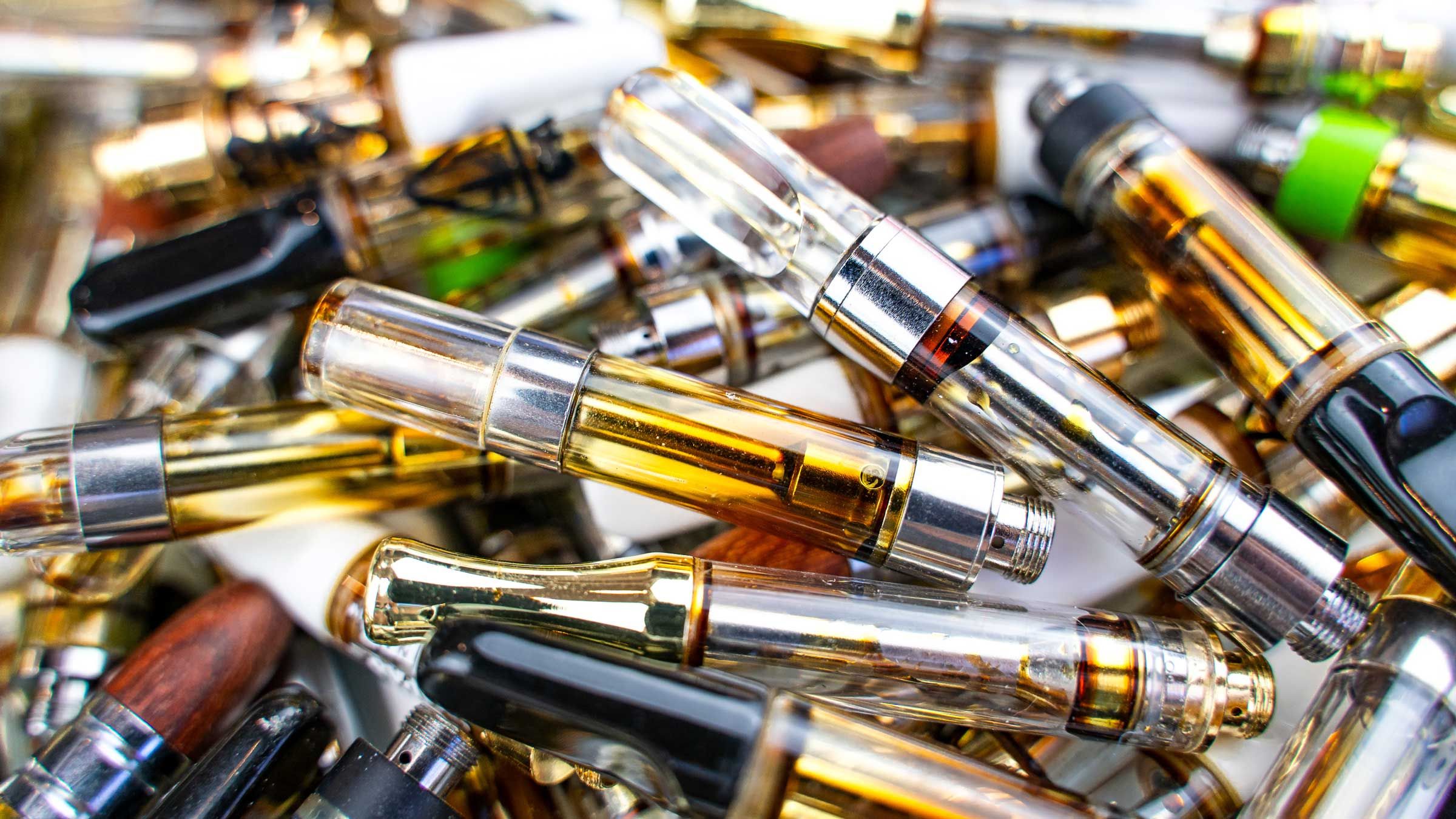
The University of Manchester has been awarded more than £1.3 million to develop technologies capable of recovering reusable materials from complex multi-material waste, including disposable vapes, end-of-life vehicles and spent batteries.
The three-year project, REMOVE-UM (REcovering MOlecular ValuE from Unrecycled Multi-materials), is jointly funded by the Engineering and Physical Sciences Research Council (EPSRC) and Defra through the Research to advance UK recycling capabilities programme, which is funding up to nine projects to advance the development of recycling and separation technologies.
Michael Shaver, project lead and Professor of Polymer Science at the University of Manchester, said the project was targeting products for which no end-of-life recovery route currently exists. "Multi-material products - vapes, cars, batteries, furniture - comingle a host of plastics, metals, glass, ceramics and other materials," he said. "These staggeringly complex multi-materials are reaching their end-of-life with no strategy to facilitate the reintegration of their components, materials or molecules into a circular economy."
Shaver, who is also Director of the university's Sustainable Materials Innovation Hub, said developing an economically viable and environmentally sound end-of-life route for multi-materials was "vital", but that economic, societal and environmental outcomes all had to be understood together.
Molecular-level recovery
Rather than attempting to separate materials physically, the project will develop methods to break down complex products at a molecular level, recovering components that can be fed back into manufacturing. The work combines expertise in chemical recycling, catalysis, sustainability assessment and materials science from across the university.
Four workstreams will run in parallel: analysing waste compositions and their potential value; developing chemical processes to selectively break materials into useful products; separating recovered molecules with minimal environmental impact; and translating findings into commercial applications with industry partners.
The aim is to complement existing mechanical recycling, not replace it. By targeting materials that current infrastructure cannot process, the researchers hope to fill a gap in the UK's recycling capability. Life cycle assessment and economic analysis will be built into the project from the outset to test whether new approaches can work at a cost and environmental footprint that justify scaling them.
Dr Kedar Pandya, Executive Director for Strategy at EPSRC, said the investment reflected a commitment to a cleaner UK economy. "By funding ambitious, collaborative and impactful research into recycling technologies, we are helping to address some of the most complex challenges in our waste system, from collection through to currently hard-to-recycle material recovery," he said.
The project is one of several awards under the EPSRC-Defra programme. Queen Mary University of London and MCatalysis were recently awarded funding from the same programme for microwave-catalytic upcycling of medical waste.


Get our weekly digest
resource.co article ai

How will the government and DMOs address the challenges of including glass in DRS while ensuring a level playing field across the UK?
There's no easy solution to include glass in the DRS while maintaining a level playing field. Potential approaches include a phased introduction of glass, potentially with higher deposits to reflect its logistical challenges. The government and DMOs could incentivise innovation in glass packaging design and subsidise dedicated return points for glass-handling. Exemptions for smaller businesses unable to handle glass might also be necessary. Any successful solution will likely blend several approaches. It must address the differing priorities of devolved administrations, balance environmental benefits with logistical and cost implications, and be supported by robust consumer education campaigns emphasizing the importance of glass recycling.