

Closing the capacity gap could draw up to £5.9 billion of investment and 7,700 jobs, the Viridor-commissioned report finds, but warns volatile markets and recycling fraud are deterring investors.
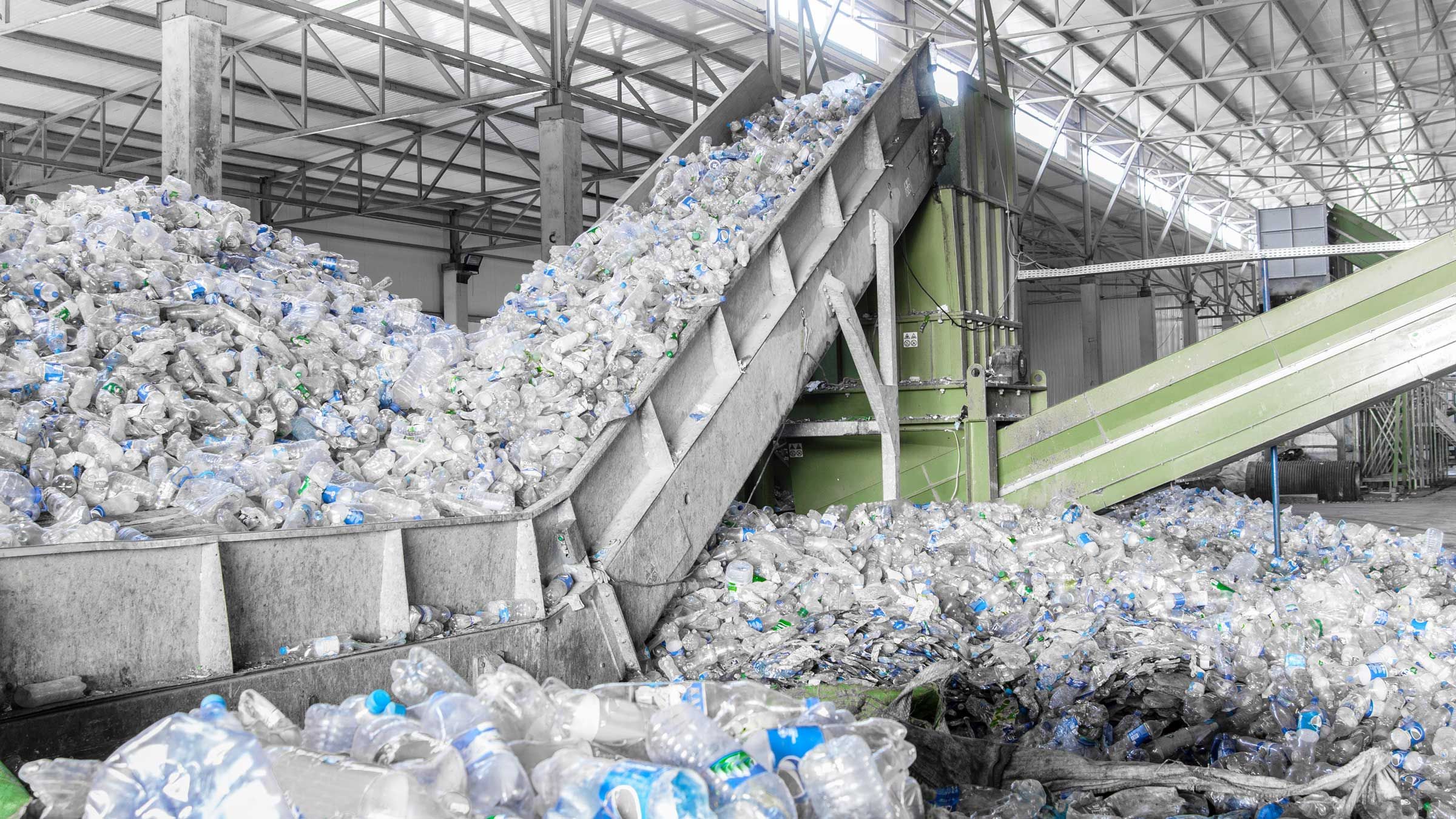
The UK has lost 22 per cent of its plastics recycling capacity since 2023, even as a wave of packaging reforms prepares to push millions more tonnes of plastic into collection, according to an independent report commissioned by Viridor and published this month.
The report makes the economic case for reversing that decline, estimating that building the capacity needed to process the extra plastic could add up to £28 billion in gross value added, provided UK Government acts to make the investment viable.
The assessment, carried out by consultancy Ceres Waste, Renewables & Environment, puts the lost capacity at 0.26 million tonnes and warns that the decline leaves government policies on the circular economy and net zero at material risk. Across the EU, almost 1 million tonnes of recycling capacity is expected to have closed by the end of 2025.
That contraction runs counter to the direction of travel in waste policy, as packaging EPR and Simpler Recycling are expected to increase the range and tonnage of plastics collected by councils and businesses, including the films and non-packaging plastics that most existing UK plants were not built to process.
In addition, the incoming UK-wide adoption of deposit return schemes will capture more drinks containers, and the inclusion of EfW in the UK Emissions Trading Scheme from 2028 will make it more expensive to burn the plastic that ends up in residual waste, purportedly encouraging more of it towards recycling.
The capacity gap
Ceres modelling finds that by 2060 between 4.2 and 4.9 million tonnes of plastic will be separated for recycling each year, and that processing it domestically would need another 3.6 to 4.4 million tonnes of annual capacity. To close that gap, the report estimates the UK requires an additional 18 materials recovery facilities, 38 mechanical recycling plants and between 13 and 25 chemical recycling plants by 2030, with a further 88 plants by 2060.
Creating investment-ready conditions could attract £4.6 billion to £5.9 billion of private investment and support between 6,900 and 7,700 permanent jobs, the report says. Filling the gap would also keep an estimated 100 million tonnes of recycled polymer in circulation by 2060 and avoid more than 143 million tonnes of carbon dioxide equivalent.
Diverting plastic from incineration would also lower the cost of decarbonising energy from waste. Burning a tonne of plastic releases around 1.7 tonnes of carbon dioxide equivalent and removing them leaves a higher proportion of biogenic carbon, which is cheaper to handle through carbon capture; the report calculates that recycling more plastic could cut the cost of fitting carbon capture and storage across the energy-from-waste fleet by 52 per cent to 2060.
Why the market is failing
Ceres identify the market for recycled polymer as the main barrier to investment. Prices are volatile, and legitimate recyclers are being undercut by imported material sold as recycled despite lacking a clear chain of custody, including virgin or pre-consumer plastic mis-described as post-consumer recycled content.
Viridor, which commissioned the report, proposed closing its three European chemical recycling plants in May this year despite saying it had proved the technology, because the economics did not follow. "When governments create clear, stable incentives and properly enforced rules, markets respond and investment follows," said Lee Hodder, Viridor's managing director for carbon capture and circular solutions. "When they don't, the system defaults to the cheapest option available. Today, that is making new plastic from virgin feedstock."
To retain and grow capacity, the report calls for recycled-content targets to be extended to non-packaging plastics, measures to steady the offtake market, and enforceable standards and traceability to keep fraudulently described material out. It also wants support to commercialise chemical and advanced recycling, including a national "end of waste" framework for pyrolysis oil.
New recycling facilities take at least two years to build, and the policies driving up collection are already being implemented.


Get our weekly digest
resource.co article ai

How will the government and DMOs address the challenges of including glass in DRS while ensuring a level playing field across the UK?
There's no easy solution to include glass in the DRS while maintaining a level playing field. Potential approaches include a phased introduction of glass, potentially with higher deposits to reflect its logistical challenges. The government and DMOs could incentivise innovation in glass packaging design and subsidise dedicated return points for glass-handling. Exemptions for smaller businesses unable to handle glass might also be necessary. Any successful solution will likely blend several approaches. It must address the differing priorities of devolved administrations, balance environmental benefits with logistical and cost implications, and be supported by robust consumer education campaigns emphasizing the importance of glass recycling.