

Review of Environment Agency inspection reports from 2018 to 2022 found poor-quality assessments and a compliance metric that obscures the true picture of permit adherence.
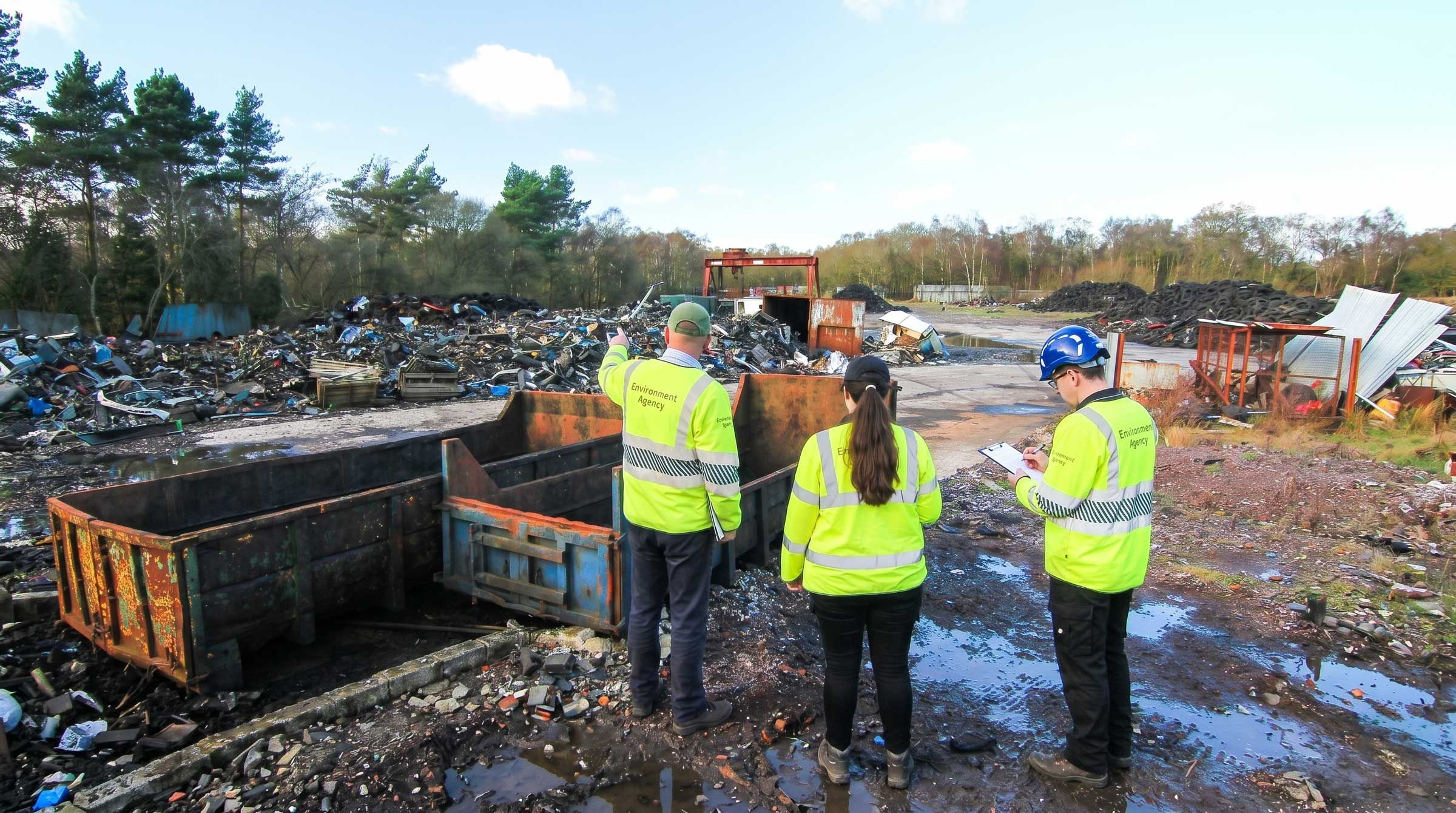
The Environment Agency can only be confident that around 64 per cent of regulated waste sites in England are compliant with their permits, despite reporting a headline compliance rate of 97 per cent, according to a report by the Office for Environmental Protection (OEP) published today (14 May).
The 97 per cent figure is inflated, the OEP said, because sites that have not been inspected are automatically counted as fully compliant, and sites with known breaches can still fall within the “compliant” bands. Once those are stripped out, the proportion the EA can confidently call compliant drops to around 64 per cent.
The report, based on a detailed review of EA Compliance Assessment Reports between 2018 and 2022, found that many inspections were of poor quality. In roughly a third of cases, policy guidance was not followed - a finding the OEP described as pointing to systemic issues with planning and oversight. Even among A-band sites, regarded as the best-performing facilities, 28 per cent of assessments showed little or no adherence to guidance or contained significant technical or legal errors.
Forty-two per cent of inspections during the review period were carried out remotely. Off-site inspections can be a legitimate regulatory tool, the OEP said, but it found no clear rationale for when or why they were used instead of site visits. Inspectors completed on average one on-site and one remote inspection per month.
“We concluded that while the system was designed in good faith it is no longer working effectively, and is not sufficiently focused on intended environmental outcomes,” said Julie Hill, interim chair of the OEP. “Better data, stronger oversight, and clearer alignment with those outcomes are needed to ensure that these inspections can play their proper part in making sure required standards are met and the environment sufficiently protected.”
OEP recommendations
The OEP called for a fundamental redesign of the compliance system to align legal duties, policy and on-the-ground inspection work. Performance indicators should genuinely reflect compliance, it said, replacing what it described as flawed metrics. It also recommended published standards for inspections, rebuilt quality assurance processes and more accessible compliance data.
The EA has already begun to act on some of the issues raised. From September 2025, it reviewed inspection reports sector by sector, ran refresher training for inspectors and line managers, and started publishing inspection reports online. A new compliance tracking system is being introduced so that actions on non-compliance can be followed up rather than left unresolved.
Industry response
The Environmental Services Association (ESA) said shortcomings in the regulatory regime were allowing fraud to persist across the sector.
“The interim Chair of the OEP is absolutely correct that strong enforcement doesn’t just protect nature but also supports sustainable economic growth,” said Sam Corp, head of regulation at the ESA. “Shortcomings in the regulatory regime will allow endemic fraud across the sector to persist, holding back investment, if cowboys feel they can operate under the radar.”
Corp pointed to Landfill Tax fraud as an example, saying it would require “much more visible and sustained regulatory activity at the gates of suspect sites” to disrupt and deter criminal operators. HMRC figures for 2022-23 put the Landfill Tax gap at £100 million, or 14.5 per cent of the theoretical liability.
The ESA cautioned against a response that simply increased the number of routine inspections at well-performing sites. The EA needed the flexibility to direct resources where they could be most effective - to poorly-performing sites and suspected criminal operations, Corp said. The association said it backed the OEP’s recommendations and would work with the EA on its regulatory and inspection approach.


Get our weekly digest
resource.co article ai

How will the government and DMOs address the challenges of including glass in DRS while ensuring a level playing field across the UK?
There's no easy solution to include glass in the DRS while maintaining a level playing field. Potential approaches include a phased introduction of glass, potentially with higher deposits to reflect its logistical challenges. The government and DMOs could incentivise innovation in glass packaging design and subsidise dedicated return points for glass-handling. Exemptions for smaller businesses unable to handle glass might also be necessary. Any successful solution will likely blend several approaches. It must address the differing priorities of devolved administrations, balance environmental benefits with logistical and cost implications, and be supported by robust consumer education campaigns emphasizing the importance of glass recycling.