

Formal Council adoption on 29 June completes the legislative process for the EU’s first regulation covering vehicle design, recycled content and end-of-life treatment in a single instrument.
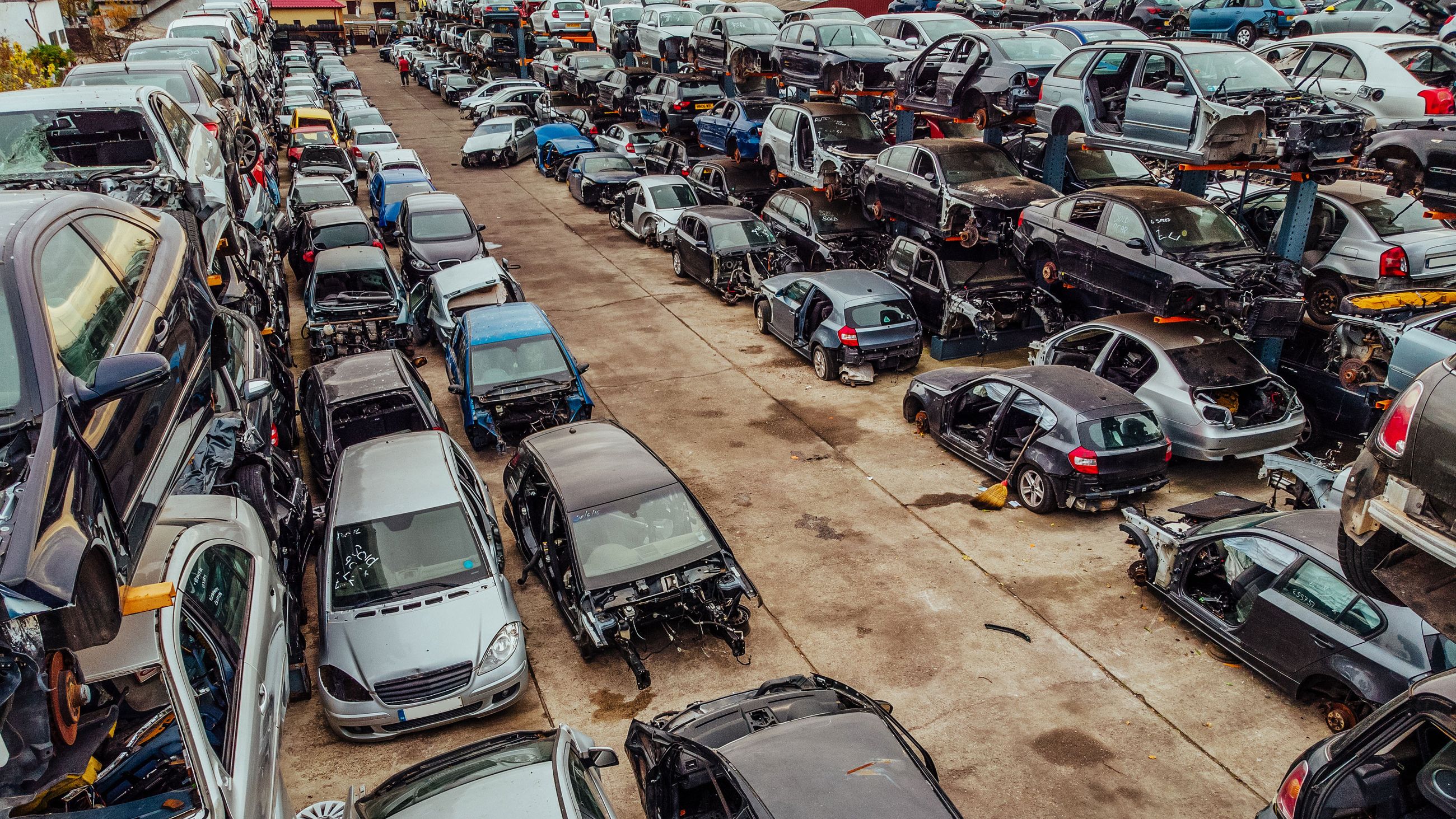
Car manufacturers selling vehicles in the EU will face binding recycled-plastic targets, mandatory take-back obligations and a ban on exporting unroadworthy cars under a regulation formally adopted by the EU Council on Monday (29 June).
The vote completes a three-year legislative process. The European Parliament approved the text on 18 June, and the Council and Parliament had reached a provisional deal in December 2025. The regulation replaces two existing directives - one on end-of-life vehicles dating from 2000, the other on type-approval for reusability from 2005 - with a single instrument spanning the whole vehicle lifecycle, which will come into force two years after it is published in the EU's Official Journal.
Currently, the automotive sector in the region uses over seven million tonnes of steel, around two million tonnes of aluminium and six million tonnes of plastics annually, yet makes little use of recycled material. In addition, only 19 per cent of plastics from scrapped cars is recycled at present, and most of what is recovered is shredded metal with limited sorting.
Recycled content and design
Under the new rules, plastics in each new vehicle type must contain at least 15 per cent recycled material within six years, rising to 25 per cent within ten. A fifth of that must come from closed-loop recycling - material recovered from end-of-life vehicles themselves, not other post-consumer waste. The Commission has one year to carry out a feasibility study, after which it will set targets for recycled steel, aluminium, magnesium and critical raw materials through a delegated act.
Manufacturers will have to design vehicles so that parts can be removed for reuse, remanufacturing or recycling. Batteries and e-drive motors must be removable at any point in a vehicle's life. Each manufacturer will prepare a circularity strategy, updated every five years, and provide waste operators with standardised dismantling information - including how to access and discharge EV batteries. Every vehicle will carry a digital circularity passport detailing how its parts can be removed and replaced.
Missing vehicles and exports
Around 3.5 million vehicles vanish from EU roads each year without formal deregistration - exported, illegally stripped or abandoned. The regulation tightens the criteria for when a vehicle becomes waste, requiring documentation when businesses transfer ownership. For private sales, documentation kicks in only in higher-risk cases: when an insurer has declared a vehicle a total economic loss, or when the sale is conducted entirely online without physical handover.
Five years after the regulation takes effect, exporting vehicles that are no longer roadworthy will be banned outright. The provision targets a well-established route through which end-of-life cars leave the EU for illegal dismantling abroad.
Extended producer responsibility
From three years after the regulation takes effect, manufacturers will have to cover the cost of collecting and treating end-of-life vehicles anywhere in the EU. A cross-border mechanism means a producer's financial responsibility follows the vehicle, regardless of which member state it ends up in.
For the first time, the regulation's scope extends beyond passenger cars and light commercial vehicles. Collection, depollution and mandatory parts removal will now apply to trucks, motorcycles and special purpose vehicles.
The rules apply to vehicles placed on the EU market. UK manufacturers that export to the bloc will fall within this scope.


Get our weekly digest
resource.co article ai

How will the government and DMOs address the challenges of including glass in DRS while ensuring a level playing field across the UK?
There's no easy solution to include glass in the DRS while maintaining a level playing field. Potential approaches include a phased introduction of glass, potentially with higher deposits to reflect its logistical challenges. The government and DMOs could incentivise innovation in glass packaging design and subsidise dedicated return points for glass-handling. Exemptions for smaller businesses unable to handle glass might also be necessary. Any successful solution will likely blend several approaches. It must address the differing priorities of devolved administrations, balance environmental benefits with logistical and cost implications, and be supported by robust consumer education campaigns emphasizing the importance of glass recycling.