

Four co-located shows return to Frankfurt this month as tightening EU recovery targets and a widening global e-waste gap push critical raw materials up the recycling agenda.
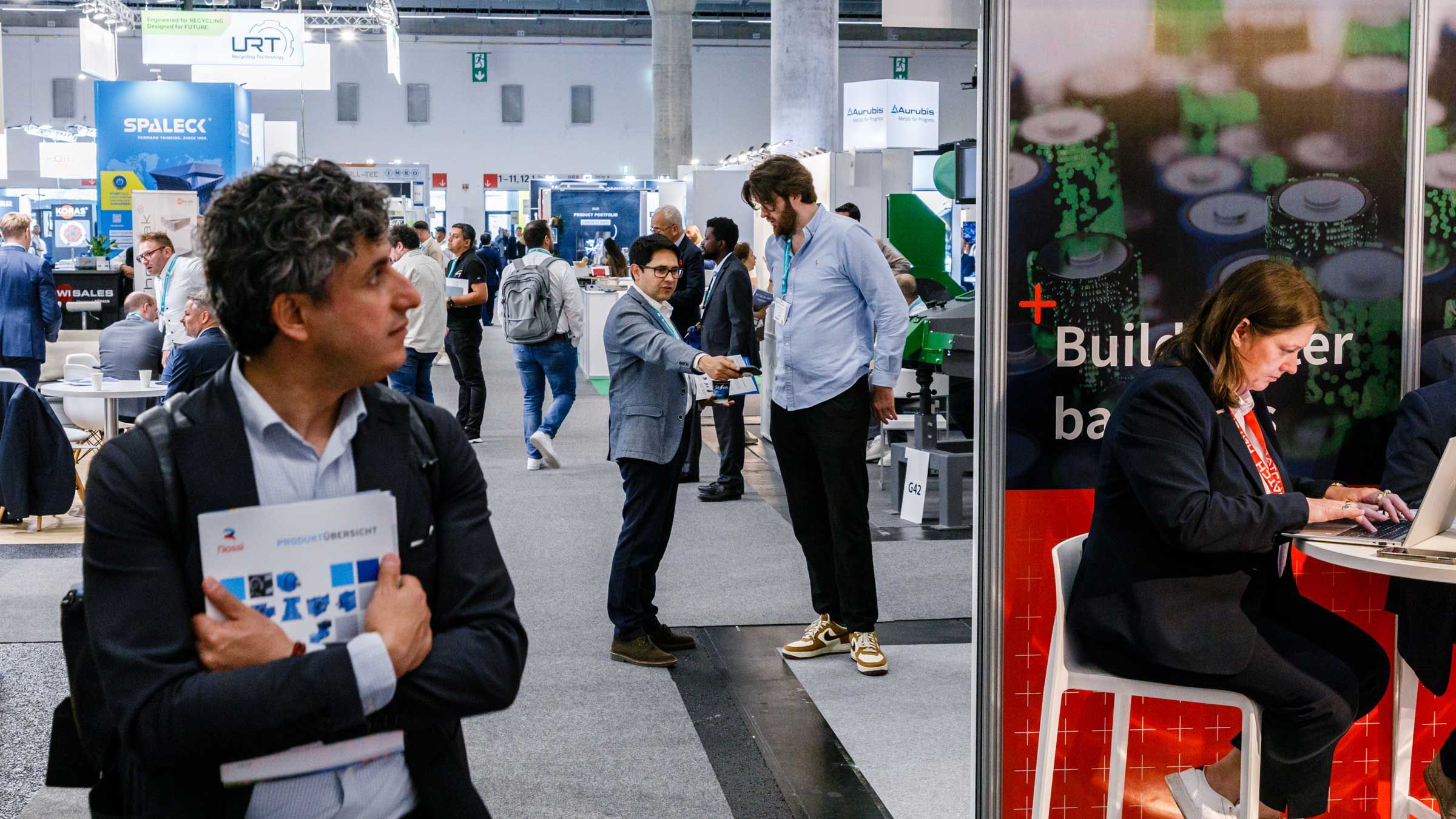
More than 400 exhibitors and an expected 4,500 professionals will gather at Messe Frankfurt on 17 and 18 June for the return of E-Waste World Expo and its three co-located shows, a free-to-attend event that organiser Trans-World Events has built around the recovery of critical raw materials from discarded electronics, batteries and metals.
The shows, E-Waste World, Battery Recycling, Metal Recycling, and ITAD & Circular Electronics, run together under the EBMI banner and move to a larger hall this year, with a conference programme of more than 180 speakers across four technical tracks.
The UN's fourth Global E-waste Monitor recorded 62 million tonnes of electronic waste generated in 2022, of which less than a quarter, 22.3 per cent, was documented as formally collected and recycled. The report put the value of recoverable metals in the unrecycled remainder at around $62 billion (£49 billion) and found e-waste rising five times faster than the recycling that captures it.
Regulation in many countries is aiming to close this gap, at least within the EU. Under the EU Battery Regulation, recyclers must reach material recovery rates of 90 per cent for cobalt, nickel and copper and 50 per cent for lithium by the end of 2025, rising to 95 and 80 per cent respectively by 2031. The Critical Raw Materials Act sets a parallel benchmark, requiring a quarter of the bloc's strategic raw material demand to be met from recycling by 2030.
Those targets explain the prominence of the Battery Recycling Expo within the EBMI line-up. End-of-life lithium-ion cells carry both a recovery prize and a handling cost, and the technical track devoted to them covers pre-processing, fire management and the chemistry of getting cobalt, nickel and lithium back out at a purity the regulation will accept.
The UK sits outside the EU rules but faces the same materials arithmetic. The domestic WEEE recycling rate stands at about 57 per cent, and research for Material Focus estimated that UK households are hoarding 880 million unused electrical items and discarding 103,000 tonnes of electricals a year, holding materials the charity valued at £927 million. A separate TNO study found that selective recovery from electronic waste could meet up to 31 per cent of the EU's critical raw material needs, a figure that has sharpened the argument for recovering small quantities of high-value elements that weight-based recycling rules tend to overlook.
For 2026 the event organisers have made the entire conference and exhibition free to attend on a single pass, dropping the paywall that has historically separated the expo floor from the speaker programme. Visitors can pre-schedule meetings and plan their route through the four tracks via a new event app released ahead of the show.
"By making the entire 2026 conference and expo free to attend, we are ensuring that engineers, policymakers and global multinationals can come together without barriers," said Amanda Tring, head of marketing at Trans-World Events. "We are addressing the security of the entire critical raw material supply chain."
The expanded floor plan brings together recyclers, original equipment manufacturers, asset managers and IT asset disposition specialists, the last group reflected in the ITAD & Circular Electronics track that handles the reuse and secure decommissioning of corporate hardware. Registration is open at ewaste-expo.com, with the show opening at Messe Frankfurt on 17 June.


Get our weekly digest
resource.co article ai

How will the government and DMOs address the challenges of including glass in DRS while ensuring a level playing field across the UK?
There's no easy solution to include glass in the DRS while maintaining a level playing field. Potential approaches include a phased introduction of glass, potentially with higher deposits to reflect its logistical challenges. The government and DMOs could incentivise innovation in glass packaging design and subsidise dedicated return points for glass-handling. Exemptions for smaller businesses unable to handle glass might also be necessary. Any successful solution will likely blend several approaches. It must address the differing priorities of devolved administrations, balance environmental benefits with logistical and cost implications, and be supported by robust consumer education campaigns emphasizing the importance of glass recycling.