

Developed with more than 100 organisations and launched at All-Energy 2026 in Glasgow, the roadmap responds to demand for up to 241 million tonnes of material for Scotland's energy transition by 2050.
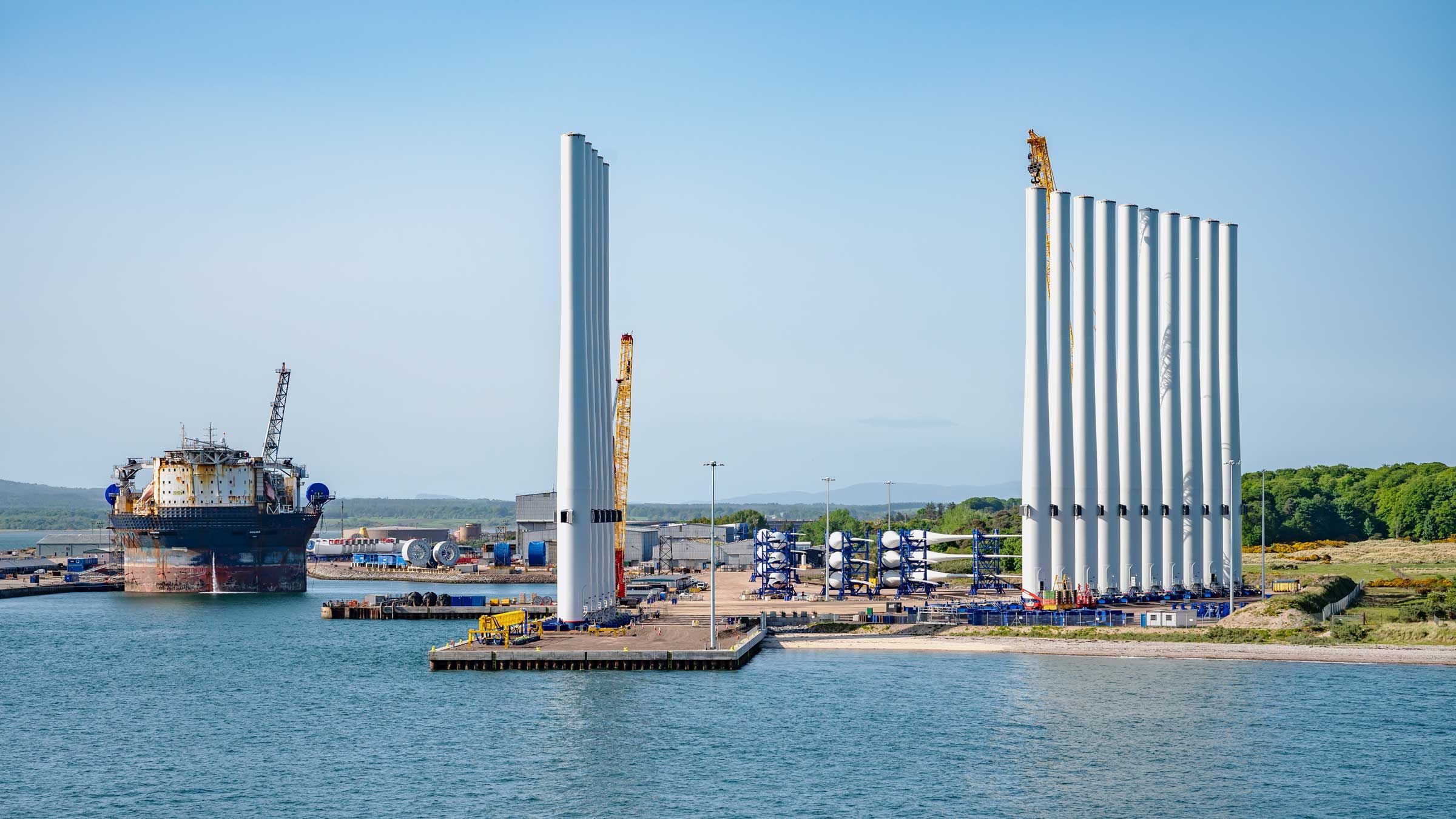
Zero Waste Scotland has published a five-year roadmap setting out nine interventions to increase circularity across Scotland's energy infrastructure, covering wind, nuclear decommissioning, electricity grid, oil and gas, and port operations. The Energy Infrastructure Roadmap to Circularity was announced at the All-Energy Conference in Glasgow on 13 May.
Scotland's energy transition could require up to 241 million tonnes of material by 2050, according to the roadmap. Much of the value from decommissioned energy assets is currently lost through export of recyclable waste, and the roadmap is designed to keep materials circulating within the Scottish economy through reuse, remanufacturing and recycling.
The roadmap is the first of four planned by Zero Waste Scotland under the Scottish Government's Circular Economy Strategy, published in March 2026. Further roadmaps covering the built environment, textiles and the bioeconomy are to follow. The strategy identified energy infrastructure as a priority sector following the passage of the Circular Economy (Scotland) Act 2024.
A new Mission Board has been established to oversee the roadmap's delivery. It is chaired by Professor Karen Turner, director of the Centre for Energy Policy at the University of Strathclyde, and includes representatives from the British Ports Association, the British Standards Institute, Scottish Enterprise, the Scottish Environment Protection Agency, Skills Development Scotland and Transition Finance Scotland.
"Energy infrastructure lies at the heart of delivering a cleaner, more productive economy," said Turner. "Establishing a dedicated circular energy infrastructure Mission Board to support delivery of an action-focused roadmap is an important step in achieving a net zero transition characterised by greater energy security, affordability, and a more resource-efficient economy."
Nine interventions
The nine interventions span governance, evidence, policy integration, physical infrastructure, digital systems, regulation, workforce, finance and communications. Among them, the roadmap calls for a national plan for material reuse hubs to enable the reuse of equipment decommissioned from energy infrastructure assets. It also proposes Digital Product Passports to track high-value components from offshore and onshore wind and oil and gas assets, enabling repair, remanufacturing and recertification.
On skills, the roadmap recommends integrating circular economy practices into national workforce planning, starting with the Nuclear Decommissioning Authority. A separate intervention addresses finance and insurance, seeking to co-design guidance for the financing and insurance of energy assets adopting circular practices, an area where perceived risk has been cited as a barrier.
Preliminary analysis by Zero Waste Scotland suggests that diverting 60 per cent of end-of-life boiler and radiator materials into reuse and refurbishment could save between 3,165 and 7,647 tonnes of carbon dioxide equivalent per year, through avoided production of steel and insulation and increased use of secondary metals.
Dr Jane Beasley, circular economy delivery director at Zero Waste Scotland, said the scale of the energy transition required a different approach to materials. "We need to get more value from what we already have, and we need to do it in a way that will strengthen our supply chains, support jobs, reduce our environmental impact, and boost our economy," she said.
Scotland's circular economy already supports approximately 56,000 full-time equivalent jobs and contributes around £4 billion to the economy, according to Zero Waste Scotland's most recent data. Workers in circular economy roles are 16 per cent more productive than the economy-wide average. Sustainable steel management alone could retain hundreds of thousands of tonnes within the domestic economy and support an estimated 500 direct jobs, the roadmap states.
Action plans for each of the nine interventions are being developed by the Mission Board in 2026, with annual reviews planned throughout the five-year horizon.


Get our weekly digest
resource.co article ai

How will the government and DMOs address the challenges of including glass in DRS while ensuring a level playing field across the UK?
There's no easy solution to include glass in the DRS while maintaining a level playing field. Potential approaches include a phased introduction of glass, potentially with higher deposits to reflect its logistical challenges. The government and DMOs could incentivise innovation in glass packaging design and subsidise dedicated return points for glass-handling. Exemptions for smaller businesses unable to handle glass might also be necessary. Any successful solution will likely blend several approaches. It must address the differing priorities of devolved administrations, balance environmental benefits with logistical and cost implications, and be supported by robust consumer education campaigns emphasizing the importance of glass recycling.