

Contract to operate the facility processing 133,000 tonnes of non-recyclable waste a year begins in October 2026, as SUEZ builds new AD and battery recycling plants elsewhere in England.
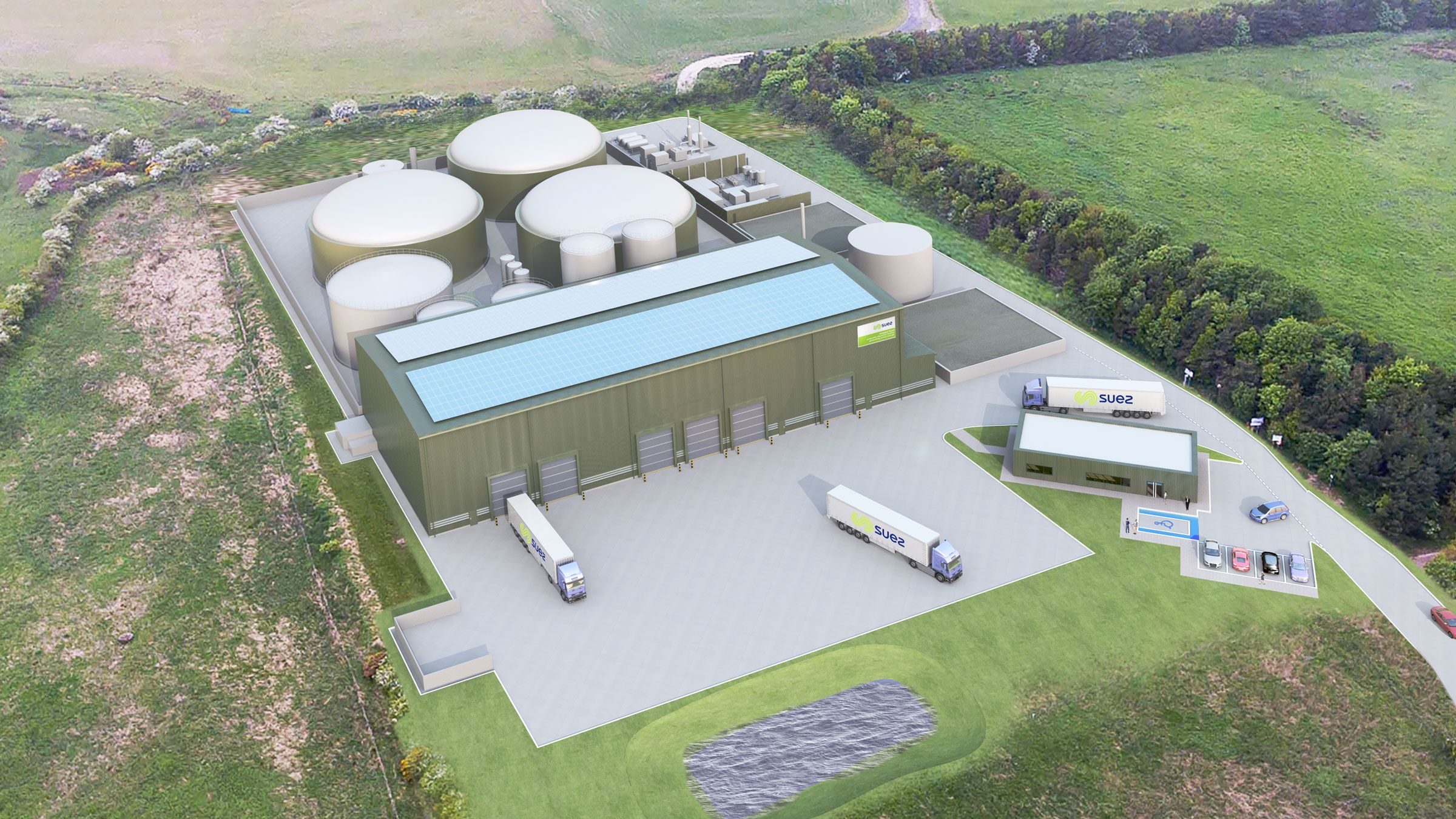
SUEZ has secured a 10-year, £396 million contract to operate and manage the Milton Keynes Waste Recovery Park from October 2026, alongside starting construction on two new facilities in Northumberland and Northamptonshire.
Milton Keynes City Council awarded the contract to operate the facility, which processes up to 133,000 tonnes of non-recyclable waste a year from Milton Keynes and West Northamptonshire and generates power equivalent to that used by 10 per cent of Milton Keynes' homes. SUEZ has run household collections and street cleansing for the council since September 2023, when a new wheelie bin collection scheme replaced the previous sack-based system. During this time the city's recycling rate rose from 48.1 per cent to 63.2 per cent, according to government figures cited by the council.
Separately, the councils of Aberdeen, Aberdeenshire and Moray have awarded SUEZ an interim contract to operate the NESS energy-from-waste facility in Aberdeen. That plant processes up to 150,000 tonnes of non-recyclable waste a year and feeds a combined heat and power system capable of supplying up to 10 MWth of heat to Aberdeen City Council's district heating network in Torry.
New facilities under construction
Construction has also started on a new anaerobic digestion plant near Ellington in Northumberland, which is expected to be operational towards the end of 2027, processing up to 50,000 tonnes of food waste a year producing enough biogas for around 5,500 homes. The investment follows the introduction of mandatory weekly food waste collections for councils in England under Simpler Recycling, which took effect from 31 March 2026 and is expected to increase the supply of source-separated feedstock for AD operators.
SUEZ is also building a new battery recycling plant for large-format lithium batteries, relocating an existing facility in Luton - operated by its subsidiary Lithium Battery Recycling Solutions (LBRS) since December 2023 - to larger premises in Northamptonshire. The new plant will increase capacity to 22,000 tonnes a year and add an extra processing stage to separate lithium flake into individual components and produce black mass. The UK is expected to produce around 28,000 tonnes of end-of-life EV batteries a year by 2030, rising to more than 200,000 tonnes by 2040, according to the Faraday Institution.
The UK accounts for around a third of SUEZ's global waste management activities. Xavier Girre, chief executive of SUEZ, said: "We are determined to remain a leading player in the country by leveraging our expertise, innovation and investment capacities."


Get our weekly digest
resource.co article ai

How will the government and DMOs address the challenges of including glass in DRS while ensuring a level playing field across the UK?
There's no easy solution to include glass in the DRS while maintaining a level playing field. Potential approaches include a phased introduction of glass, potentially with higher deposits to reflect its logistical challenges. The government and DMOs could incentivise innovation in glass packaging design and subsidise dedicated return points for glass-handling. Exemptions for smaller businesses unable to handle glass might also be necessary. Any successful solution will likely blend several approaches. It must address the differing priorities of devolved administrations, balance environmental benefits with logistical and cost implications, and be supported by robust consumer education campaigns emphasizing the importance of glass recycling.