

The Chancery Lane Project and WRAP have updated Runa's Clause, a contractual tool to measure, reduce and report food waste across supply chains.
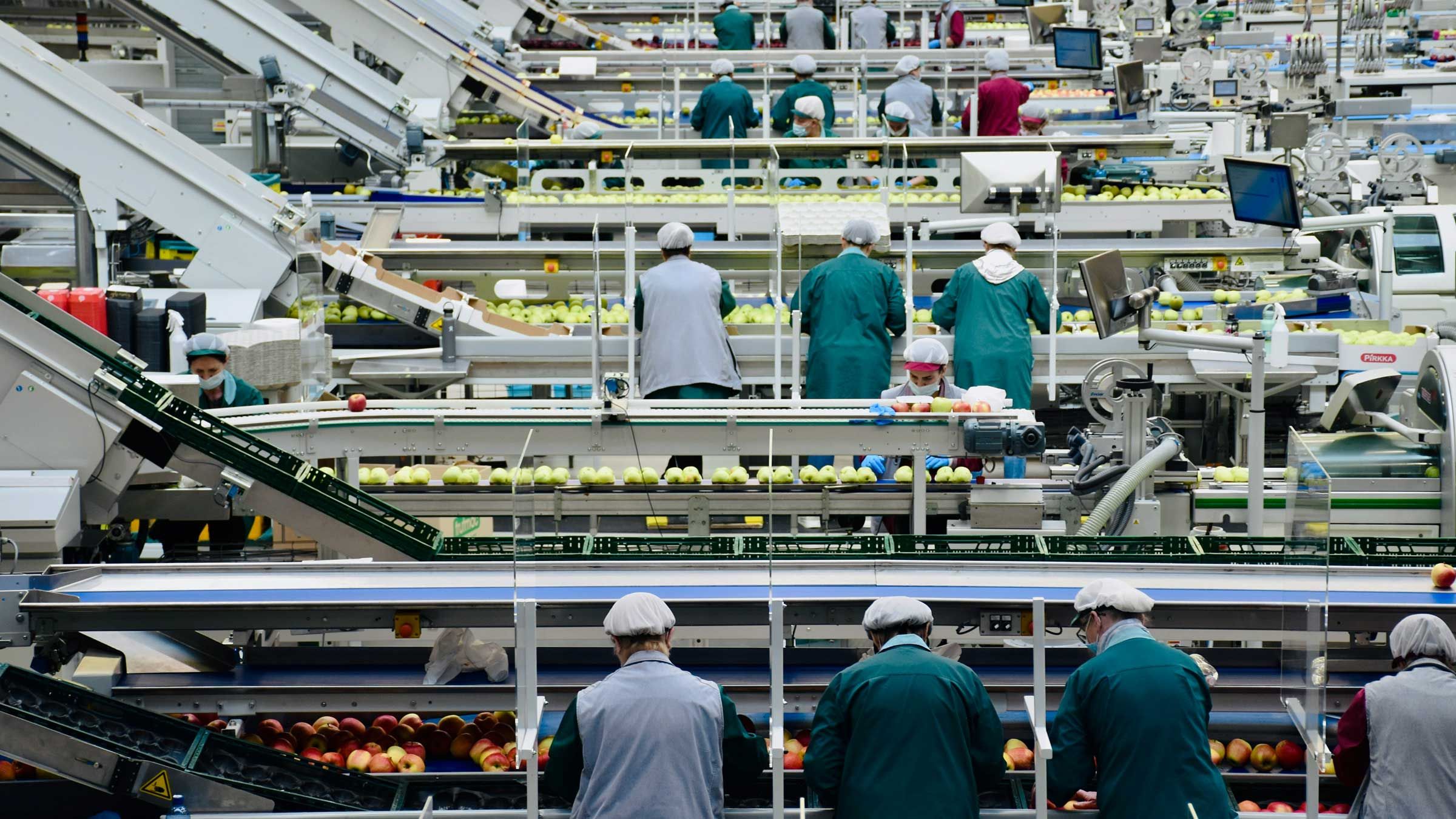
The Chancery Lane Project, a UK legal charity that develops climate-aligned contract clauses, has updated its food waste clause in collaboration with WRAP (the Waste and Resources Action Programme). WRAP will advise its partners to incorporate the clause into supply chain contracts.
Runa's Clause, first published in 2024 and updated in February 2026, is designed for insertion into commercial and supply contracts. It requires both parties to measure the tonnage of food waste generated under the agreement, keep records of reduction activity and report progress against agreed targets.
The clause references WRAP's food loss and waste data capture sheet as a minimum reporting standard and aligns with the UK Food and Drink Pact's Food Waste Reduction Roadmap, the 'target-measure-act' framework used by nearly 200 organisations across the UK food supply chain.
According to WRAP, the average cost a company incurs for every tonne of food waste ranges between £1,638 and more than £4,200, depending on sector. Each tonne of food waste prevented also avoids nearly four tonnes of CO2 equivalent emissions from production, transport and disposal.
"Contracts are one of the most powerful levers businesses have to drive change across supply chains," said Ben Metz, executive director at The Chancery Lane Project. "The updated Runa's Clause helps organisations work collaboratively with suppliers to reduce waste, cut emissions and deliver on their sustainability commitments."
Early adoption
English Provender, a food manufacturer which joined the UK Food and Drink Pact in 2024, is the first company to adopt the clause, having previously adopted WRAP's food waste reporting framework. Within one month of installing mangles at its manufacturing sites, the company achieved a return on investment and recorded a 10 per cent reduction in total food waste, according to a WRAP case study.
"The Billington Group [which owns English Provender] is committed to reducing our food waste both within our business and the value chains in which we operate," said Carl Steckerl, business lead for environmental, social and governance at English Provender Company. "We are pleased to have adopted the principles of Runa's Clause to increase transparency in cases of avoidable waste."
Caroline Conroy, senior specialist in food system transformation at WRAP, said the clause would allow businesses to address food waste at the contract stage. "Reducing a tonne of food waste prevents nearly four tonnes of CO2e from being produced," she said. "WRAP is delighted to collaborate with The Chancery Lane Project to update Runa's Clause."
The updated clause also references the Separation of Waste (England) Regulations 2025, which require businesses to segregate food waste. Parties are expected to follow the UK food and drink waste hierarchy statutory guidance, which sets out a prioritised list of options for dealing with food surplus and waste.
The Chancery Lane Project, a registered charity working in more than 110 countries, has published more than 100 climate-aligned clauses that are freely available for incorporation into commercial agreements. Its resources are used by legal, procurement and sustainability teams to embed climate considerations into contracts.


Get our weekly digest
resource.co article ai

How will the government and DMOs address the challenges of including glass in DRS while ensuring a level playing field across the UK?
There's no easy solution to include glass in the DRS while maintaining a level playing field. Potential approaches include a phased introduction of glass, potentially with higher deposits to reflect its logistical challenges. The government and DMOs could incentivise innovation in glass packaging design and subsidise dedicated return points for glass-handling. Exemptions for smaller businesses unable to handle glass might also be necessary. Any successful solution will likely blend several approaches. It must address the differing priorities of devolved administrations, balance environmental benefits with logistical and cost implications, and be supported by robust consumer education campaigns emphasizing the importance of glass recycling.