

Second in Zero Waste Scotland's series of priority sector roadmaps targets a sector responsible for around half of Scotland's waste and a tenth of its emissions.
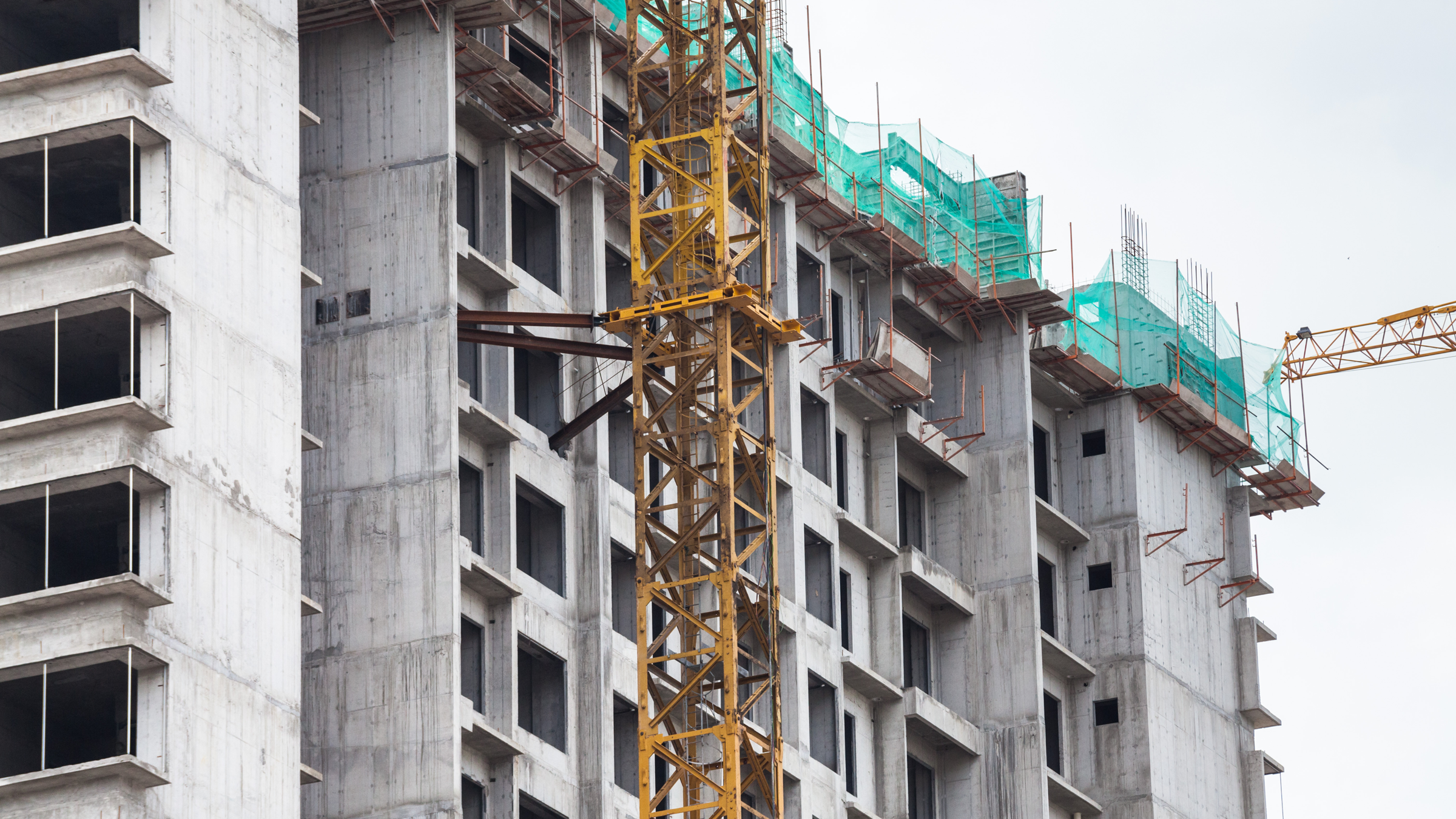
Zero Waste Scotland has published a roadmap to embed circular economy practices across the built environment, launched by a new industry-led Mission Board at its first workshop held in Stirling on 29 May.
The Built Environment Roadmap to Circularity is the second in a series of priority sector roadmaps developed to support the Scottish Government's Circular Economy Strategy, following the energy infrastructure roadmap published in May. It sets out a five-year framework for reducing waste and emissions and increasing material reuse across a sector that remains a significant employer and contributor to the Scottish economy.
Construction and demolition activity accounts for around half of all waste produced in Scotland, and outputs linked to those activities made up an estimated 10 per cent of the country's greenhouse gas emissions in 2022.
The roadmap identifies 12 interventions, of which the Mission Board is the first. Others include developing a national network of material reuse hubs, broadening market access to circular products and services, embedding circular practices in public procurement, and working with insurers and finance partners to remove barriers to reuse. Further interventions cover building performance standards, policy and legislation, tax and revenue levers, and reducing overall demand for materials across construction activity.
The Mission Board provides the platform for sector-led coordinated action and will steer delivery of the roadmap. It is chaired by Professor Sean Smith, Director of the Centre for Future Infrastructure at the University of Edinburgh, with members drawn from across construction, architecture, standards, skills and finance. They include the Association of British Insurers, the British Standards Institution, Built Environment - Smarter Transformation, the Chartered Institute of Building, Scotland Excel, the Scottish Building Federation, the Scottish Ecological Design Association, Scottish Financial Enterprise, Skills Development Scotland, the Supply Chain Sustainability School, and the Royal Incorporation of Architects in Scotland.
The roadmap has been developed through engagement with more than 100 businesses and organisations across the public, private, third, finance and insurance sectors, applying systems thinking to map barriers and opportunities before settling on its interventions. Zero Waste Scotland is leading on the roadmaps while industry leads on the individual interventions, with the Mission Board the mechanism for coordinating that work.
Ciaran McGuigan, Chief Executive of Zero Waste Scotland, said the built environment had a vital role in Scotland's transition. "By designing out waste, keeping materials in use for longer, and making the most of the resources we already have, we can strengthen supply chains and create new economic opportunities across Scotland," he said. "This roadmap sets a clear direction for how change can happen, and the Mission Board will bring together the vital expertise and vision needed to drive it forward."
Smith said the board could shape how the sector operates for decades. "This is a sector which continuously underpins much of our economy, communities and society and can play a pivotal role in the acceleration of circular economy practices and outcomes, providing a positive legacy for our current and future generations," he said.
Detailed action plans building on the interventions are being developed by the Mission Board and taken forward through 2026. The built environment roadmap is one of four planned by Zero Waste Scotland under the Circular Economy Strategy, alongside energy infrastructure, textiles and the bioeconomy.


Get our weekly digest
resource.co article ai

How will the government and DMOs address the challenges of including glass in DRS while ensuring a level playing field across the UK?
There's no easy solution to include glass in the DRS while maintaining a level playing field. Potential approaches include a phased introduction of glass, potentially with higher deposits to reflect its logistical challenges. The government and DMOs could incentivise innovation in glass packaging design and subsidise dedicated return points for glass-handling. Exemptions for smaller businesses unable to handle glass might also be necessary. Any successful solution will likely blend several approaches. It must address the differing priorities of devolved administrations, balance environmental benefits with logistical and cost implications, and be supported by robust consumer education campaigns emphasizing the importance of glass recycling.